
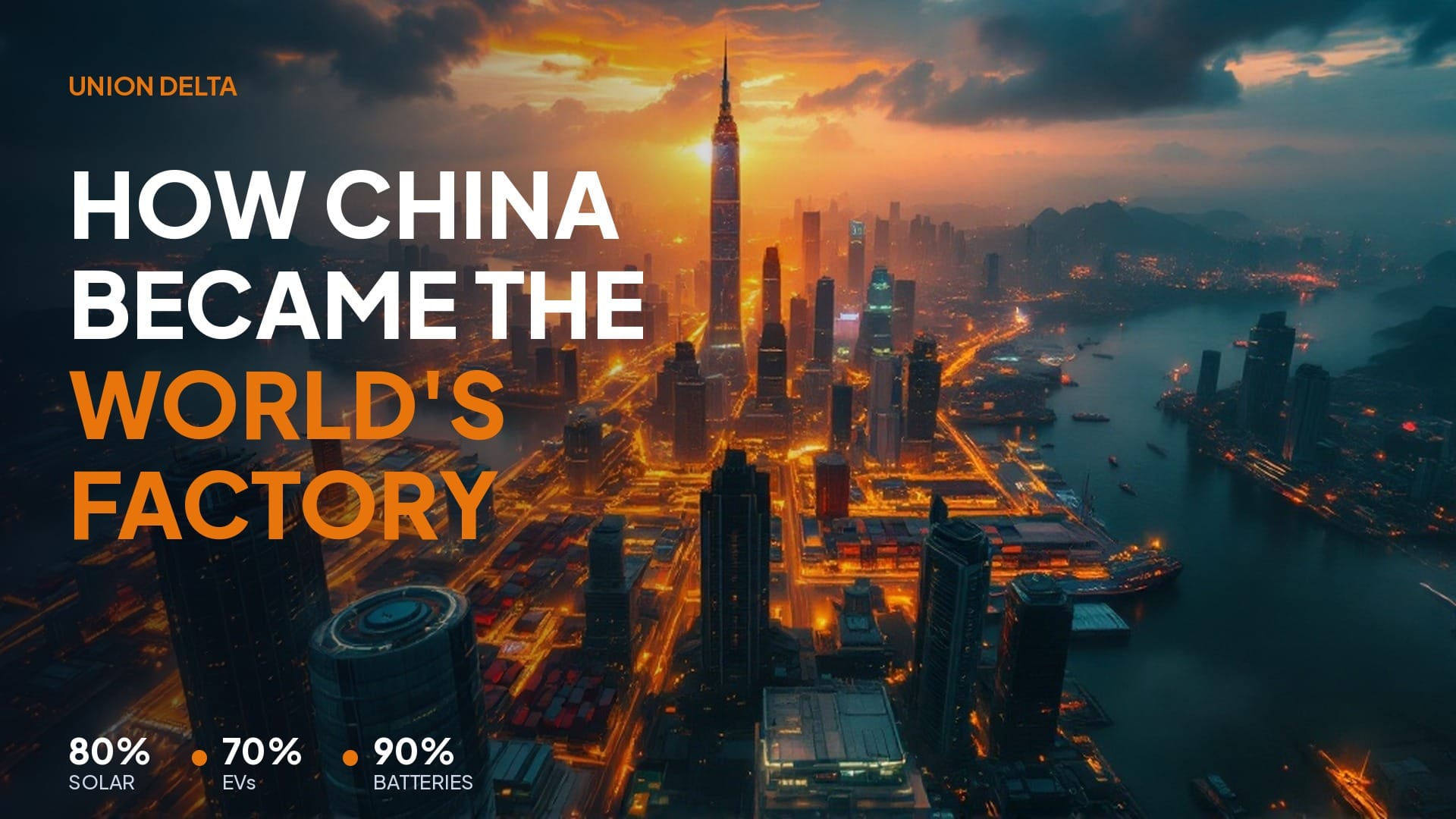
Sixty years ago, China was one of the poorest countries on Earth. Mao's Great Leap Forward had left tens of millions dead and the economy in ruins. Today, China produces almost a third of everything manufactured on the planet, according to UN Statistics — more than the United States, Japan, Germany and South Korea combined. That reversal is the single most important fact in modern trade, and if you import goods, sell on Amazon FBA, or run a hardware brand, it shapes every landed-cost calculation you make.
This article explains how China became the world's factory: the 1978 opening, the Shenzhen experiment, the pivot from cheap labor to high tech, the overcapacity problem now triggering tariff walls — and, most importantly, what all of it actually means for your sourcing strategy in 2026. The numbers here come from UN Statistics, the World Bank, BloombergNEF, the IEA and company filings, and they tell a more complicated story than "China is cheap."
From Mao to Markets: The 1978 Bet
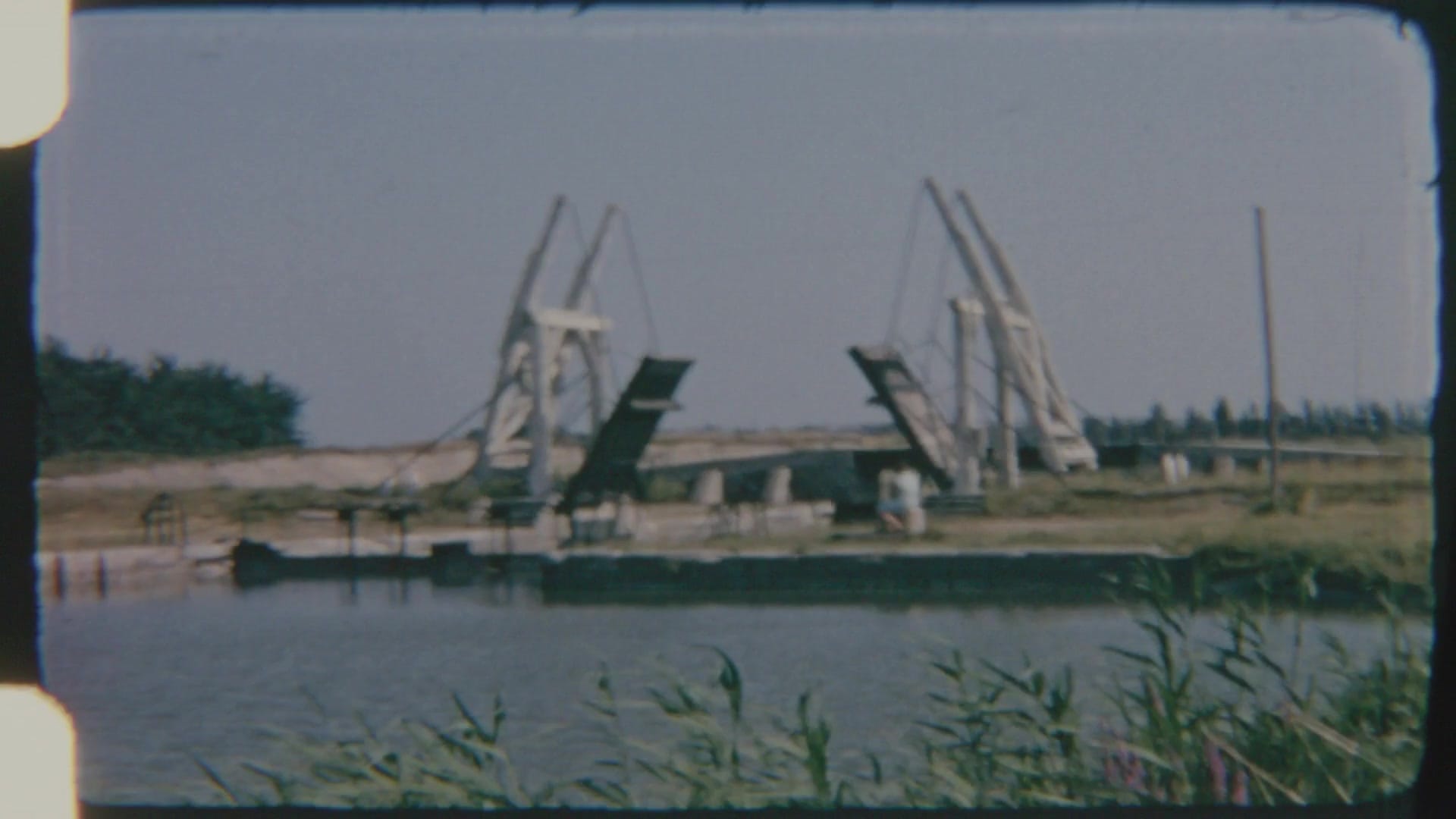
The starting point matters, because it explains the speed of everything that followed. In the 1960s and 1970s, China was overwhelmingly rural and desperately poor. The Great Leap Forward, Mao's forced industrialization campaign, produced famine that killed tens of millions and left the economy shattered. There was no manufacturing base to speak of, no foreign investment, and almost no trade with the West.
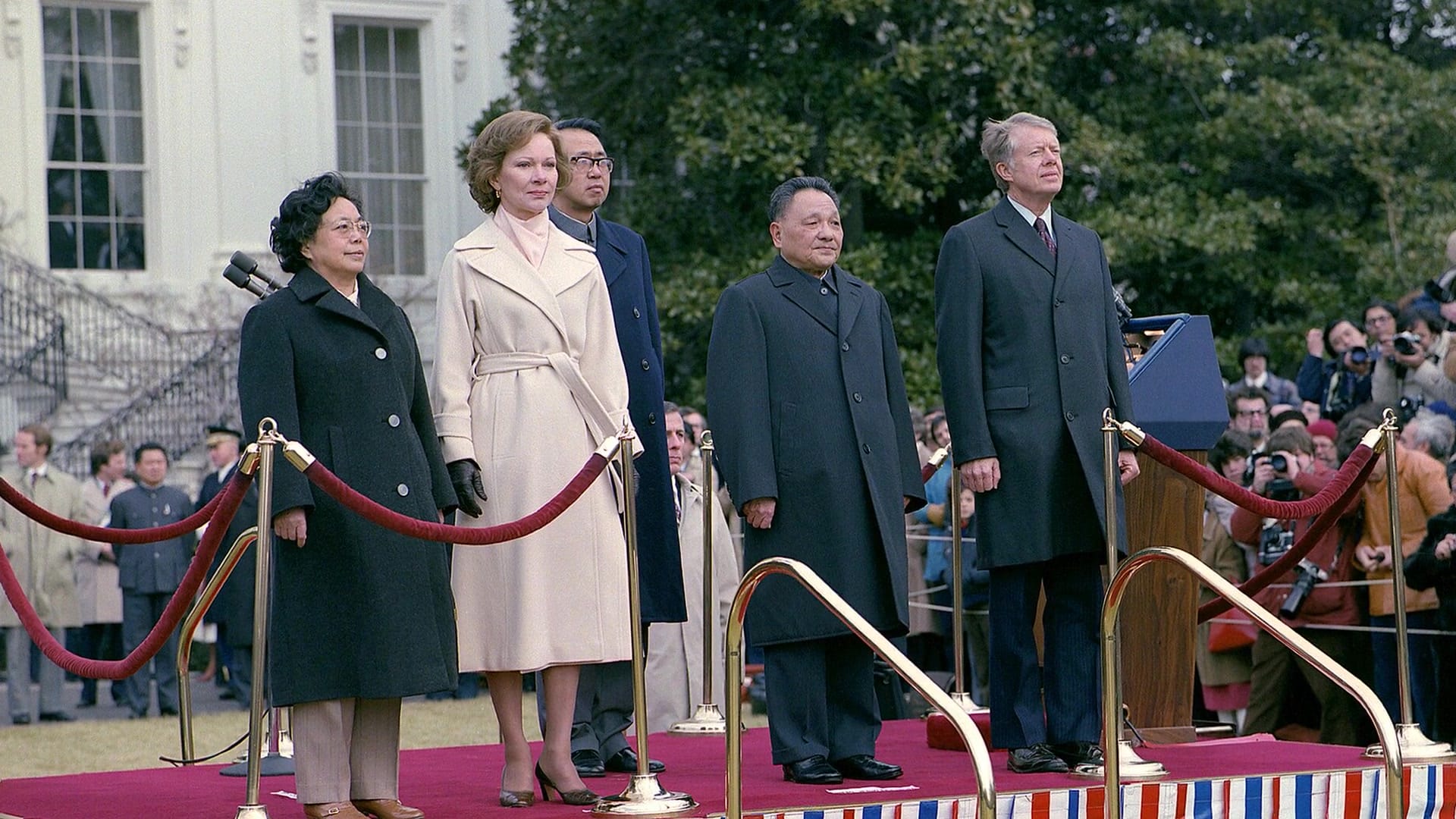
In 1978, Deng Xiaoping took control and made a bet that broke with Communist orthodoxy: markets would be allowed to work, as long as they delivered growth. His famous formulation — it doesn't matter whether a cat is black or white, as long as it catches mice — captured the new pragmatism. Ideology was out. Results were in. Deng toured the United States in 1979, signaling to American business that China was open, and foreign capital started paying attention.
Shenzhen: The Fishing Town That Became the World's Workshop
In 1980, Beijing designated Shenzhen — then a fishing town of roughly 30,000 people across the border from Hong Kong — as a Special Economic Zone. Inside the zone, the rules were different: foreign factories could set up shop, profits could leave the country, and land and labor were cheap. The formula was simple and ruthless: cheap labor plus cheap land plus an export-first policy, and it pulled in thousands of foreign factories, first from Hong Kong and Taiwan, then from Japan, the US and Europe.
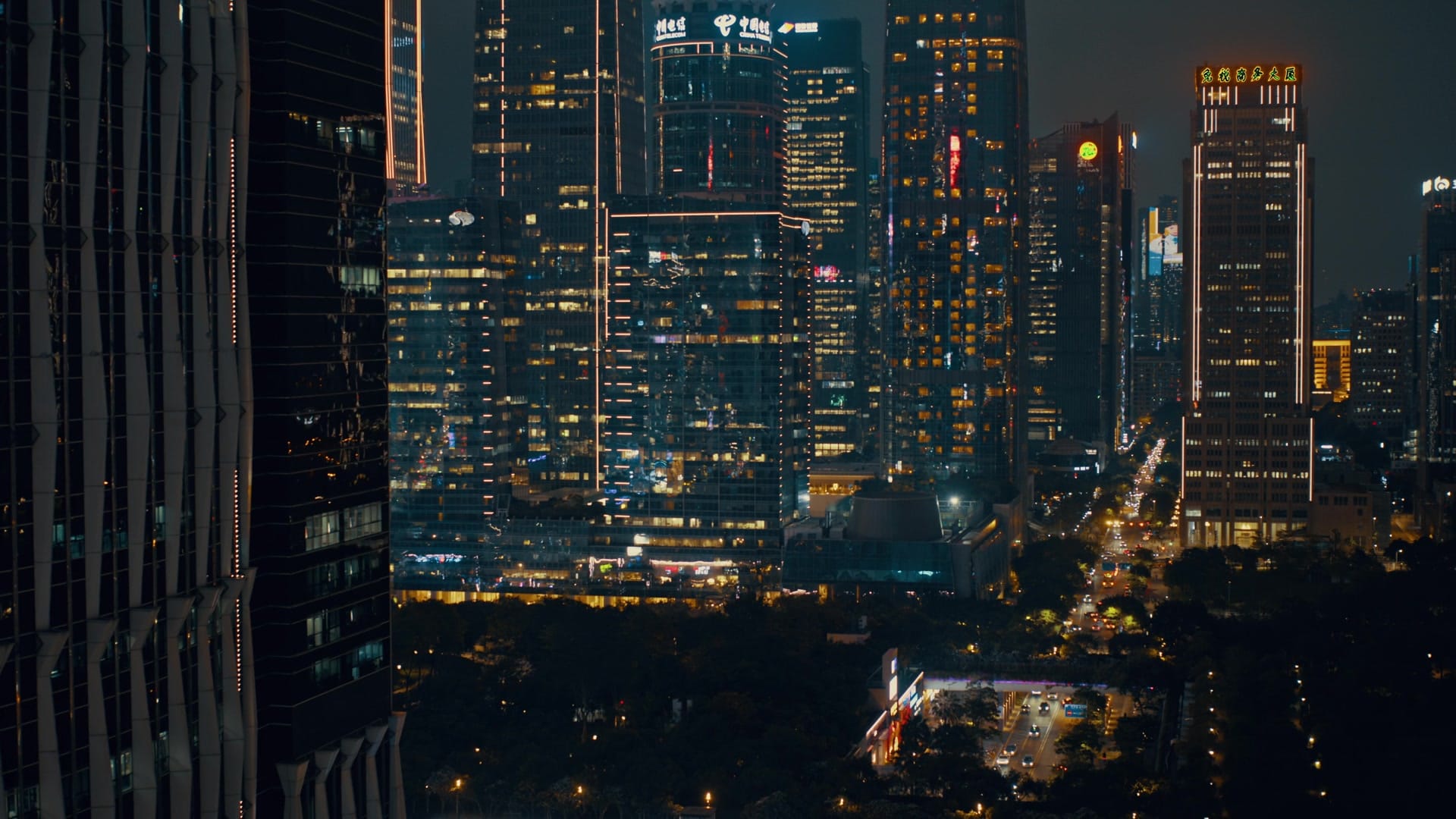
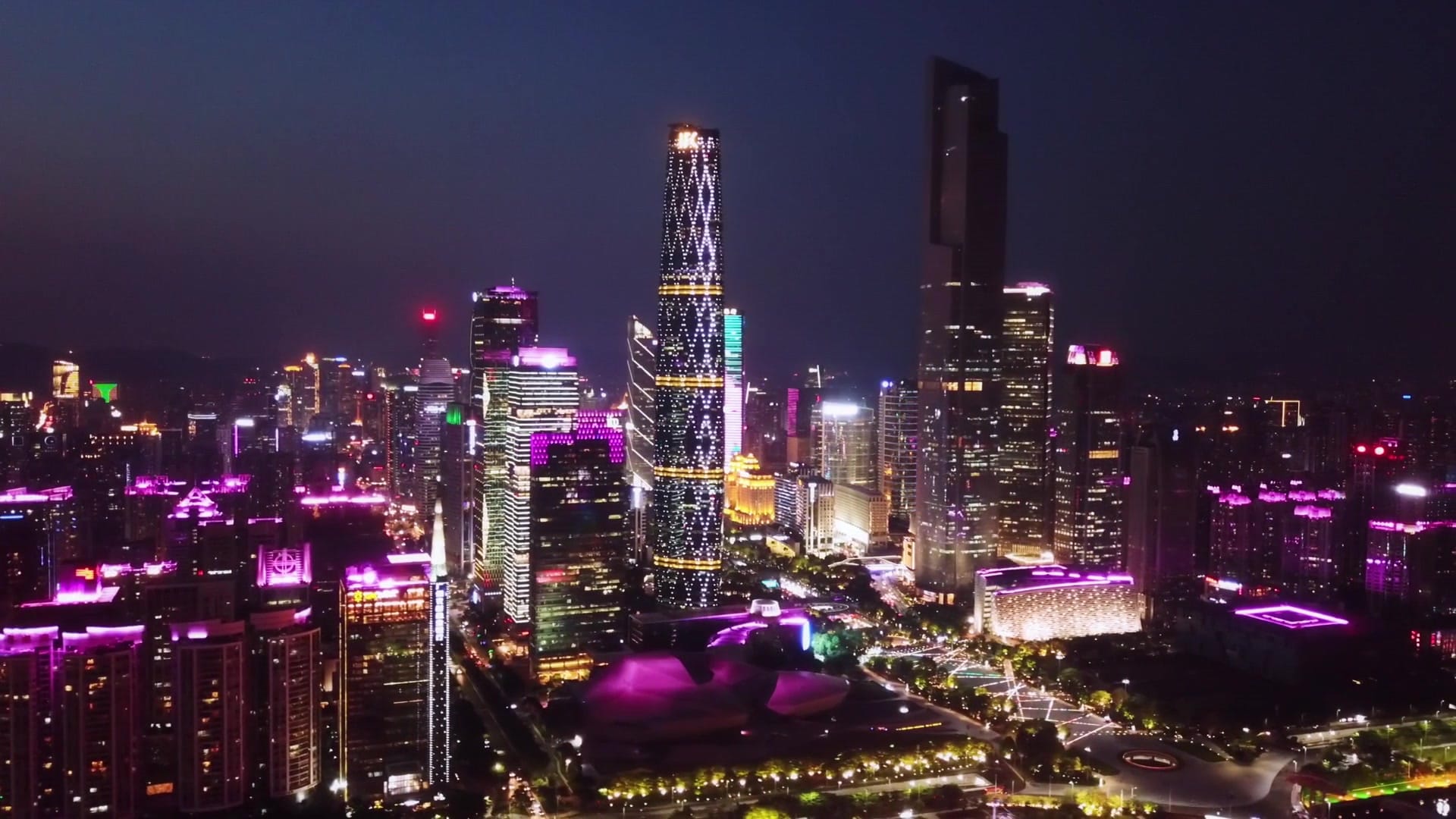
Today Shenzhen is a tech megacity of more than 17 million people, home to Huawei, DJI, Tencent and BYD, and the electronics-sourcing capital of the world. Anyone who has walked the Huaqiangbei component markets understands what "supply-chain density" means in a way no spreadsheet can convey: every screw, sensor, PCB, injection mold and packaging supplier within a taxi ride of each other.
How Big Is China's Manufacturing, Really?
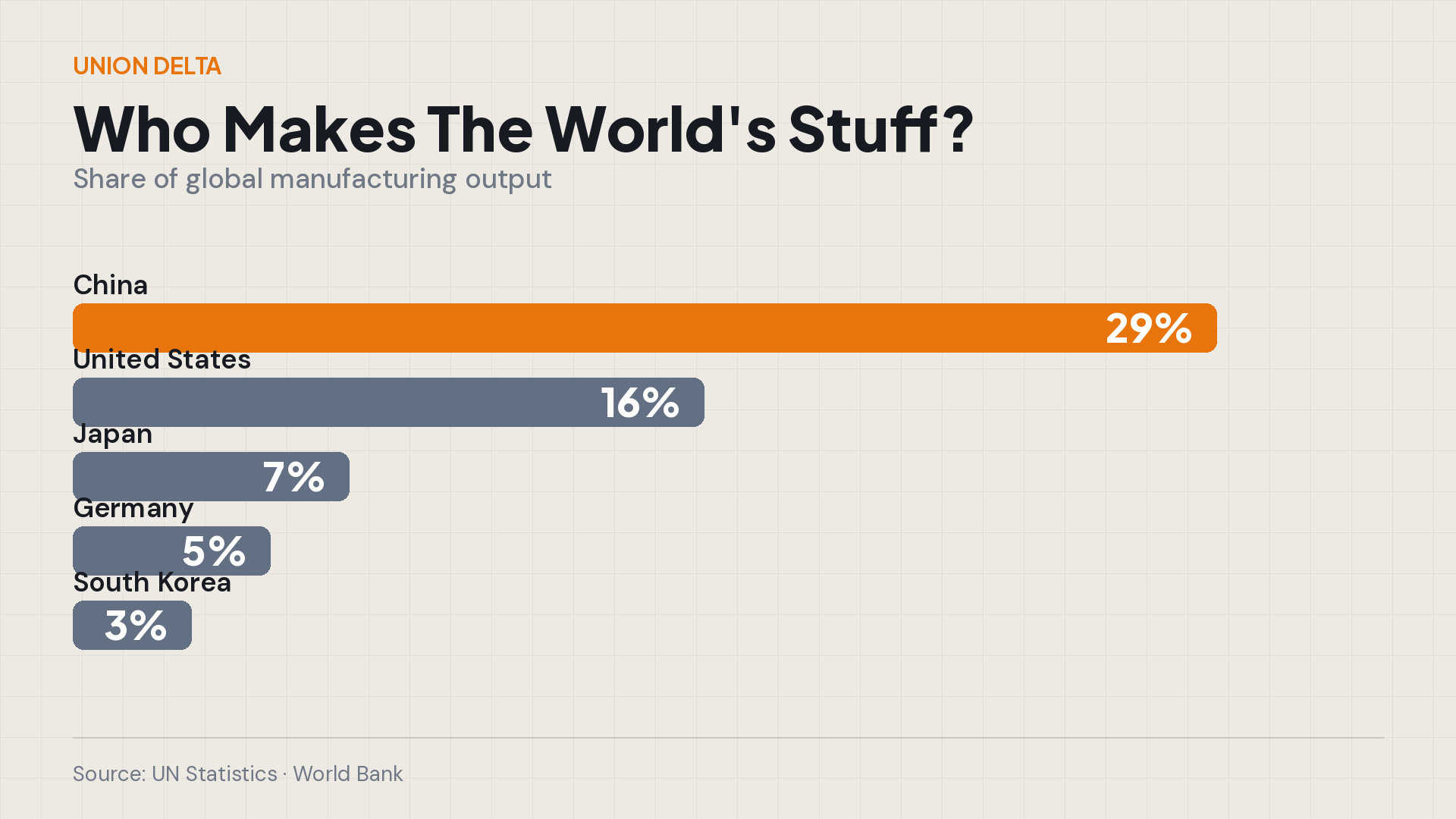
By 2010, China had passed the United States as the world's largest manufacturer. That was a milestone; what happened after is the real story. Today China produces about 29% of everything manufactured on Earth, according to UN Statistics and World Bank data. That is more than the next four manufacturing powers combined.
| Country | Share of global manufacturing output |
|---|---|
| China | ~29% |
| United States | 16% |
| Japan | 7% |
| Germany | 5% |
| South Korea | 3% |
Sit with that table for a second. The US, Japan, Germany and South Korea together account for 31% of world manufacturing — barely ahead of China alone. No country in modern history has held this kind of manufacturing concentration. That concentration is precisely why "just move your sourcing somewhere else" is easier said on LinkedIn than done in a factory audit.
The Pivot Nobody Priced In: From Cheap Labor to High Tech
For the first three decades, the China story was a cost story. Then Chinese wages rose, Vietnam and Bangladesh undercut Chinese labor rates, and analysts predicted the factory of the world would hollow out. Instead, China stopped competing on price and started competing on technology.
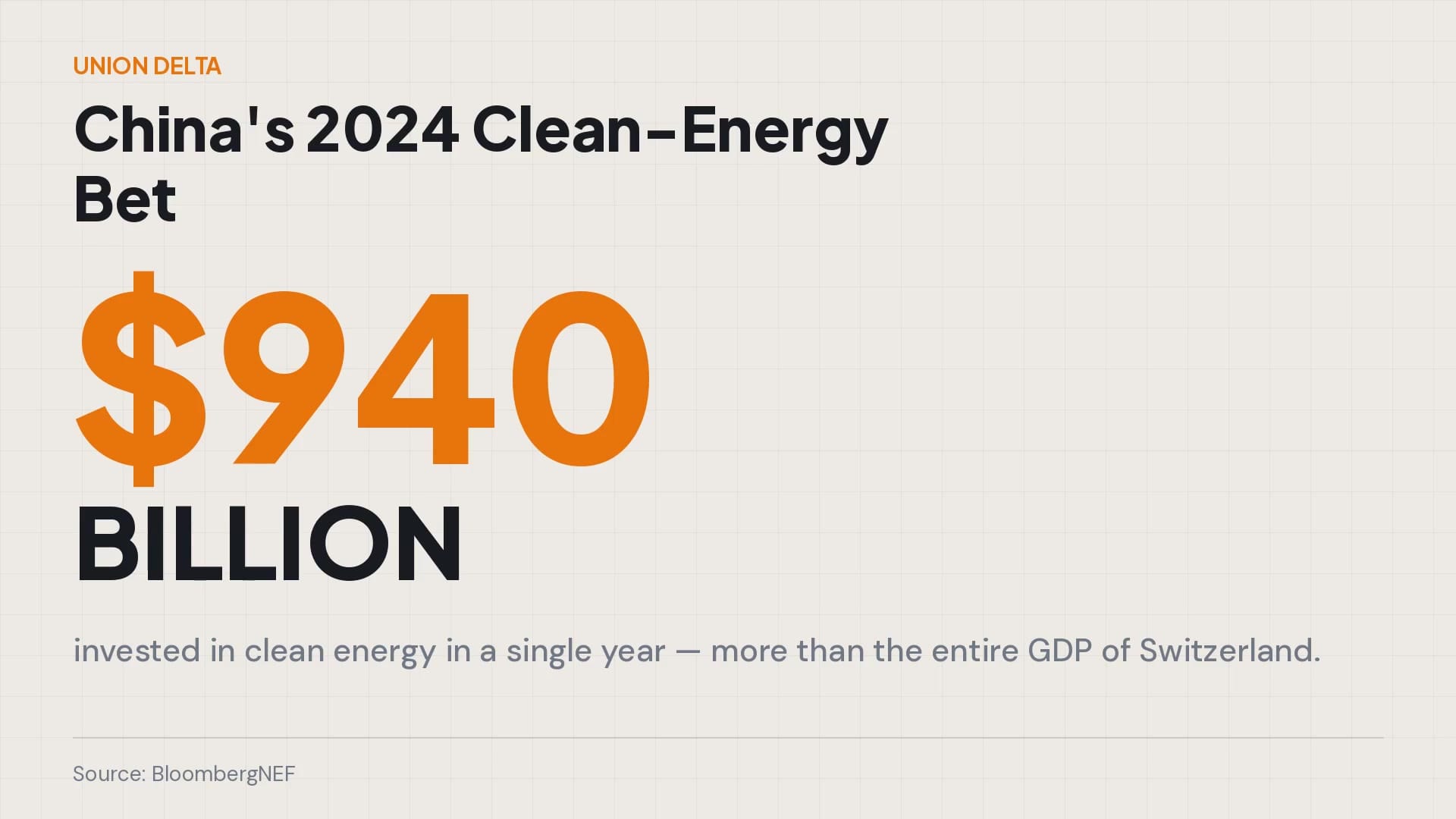
The clearest evidence is in energy. In 2024, China invested $940 billion in clean energy, according to BloombergNEF — more than the entire GDP of Switzerland, deployed in a single year, into a single sector. That is not a subsidy line item. That is a national industrial strategy with a budget larger than most national economies.
China's Grip on Clean Tech
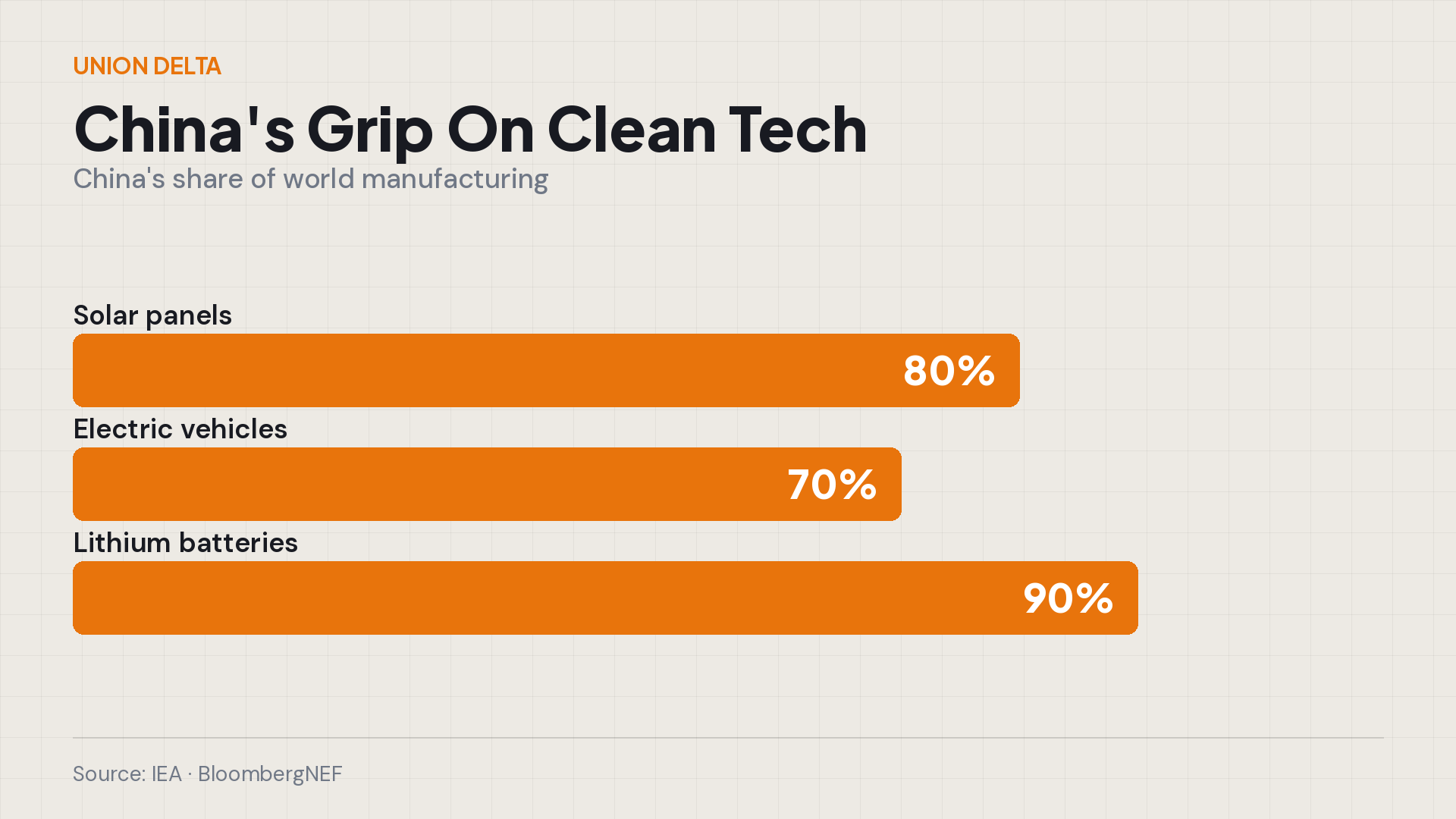
The output of that investment is dominance across every clean-technology category that matters. According to the IEA and BloombergNEF, China builds 80% of the world's solar panels, 70% of its electric vehicles, and 90% of its lithium batteries. These are not commodity toys or textiles. These are the strategic industries every industrial policy in Washington and Brussels is currently trying to onshore — and China already owns the supply chains for all three.
BYD vs Tesla: The Moment It Became Obvious
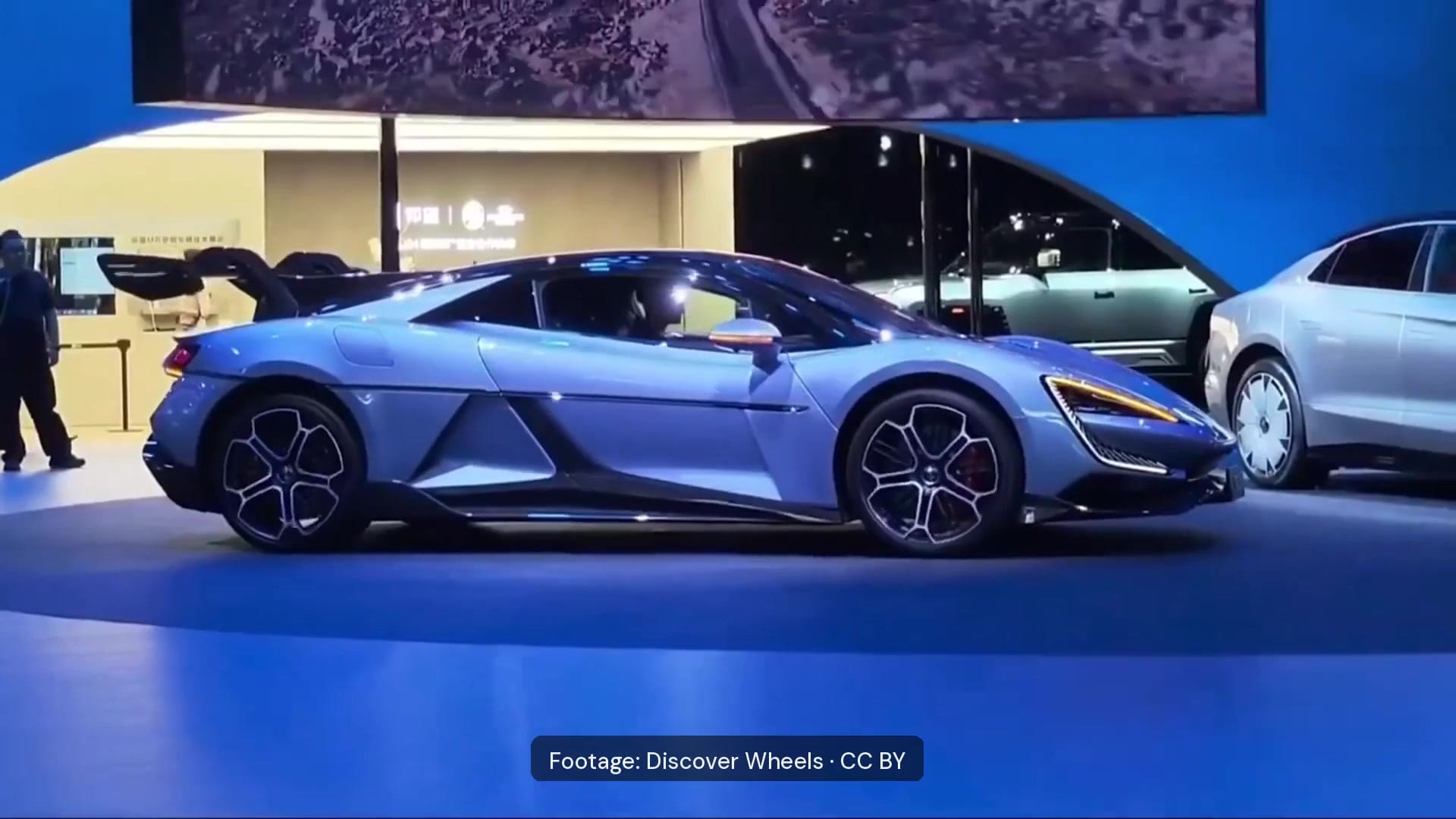
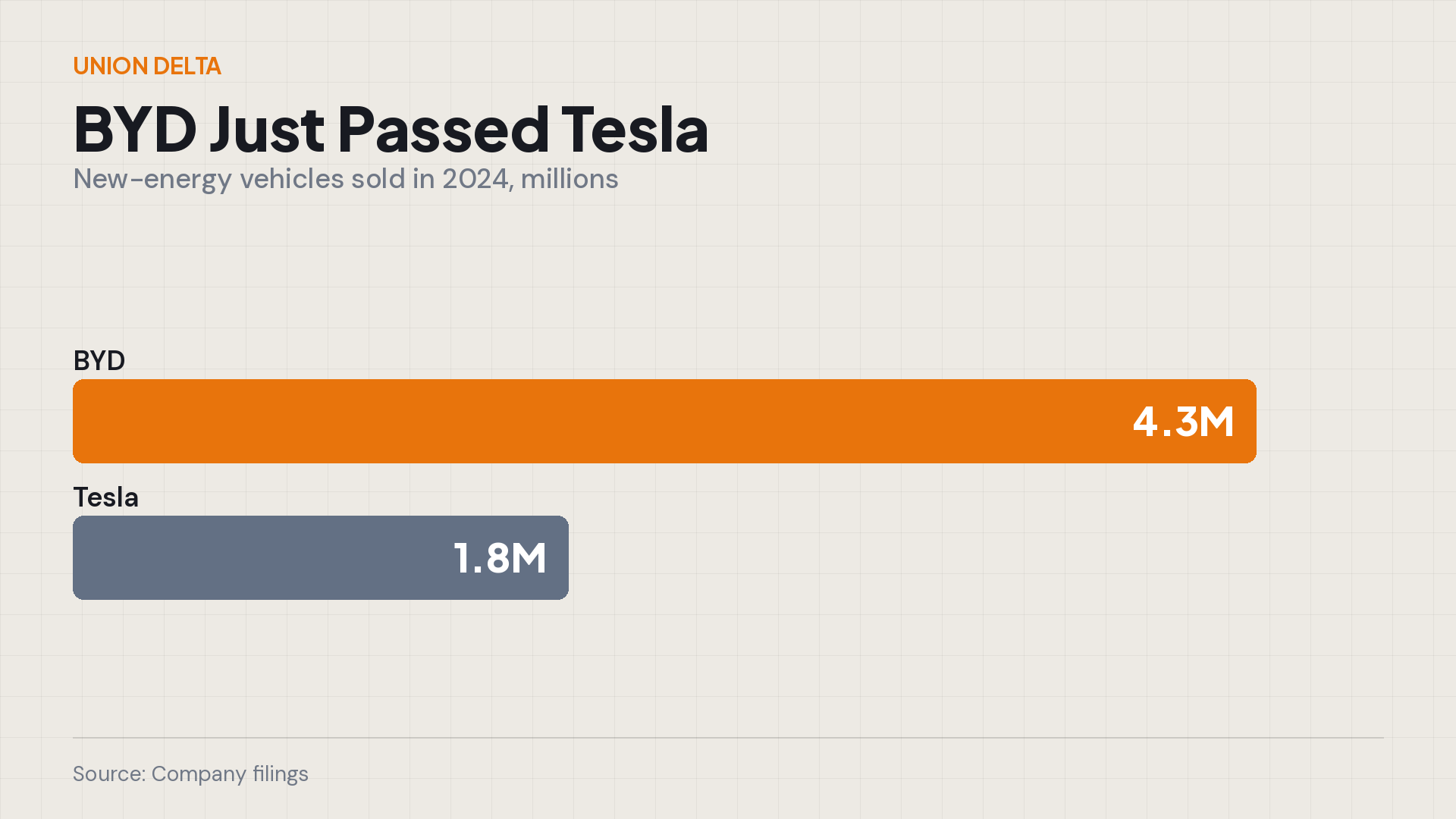
If one data point crystallized the shift for Western audiences, it was BYD overtaking Tesla. In 2024, BYD sold 4.3 million new-energy vehicles against Tesla's 1.8 million, according to company filings. BYD started as a battery maker in Shenzhen; it now makes its own batteries, chips, motors and, increasingly, its own ships to export the cars. Vertical integration at that depth is only possible inside the supply-chain ecosystem China spent forty years building.
How They Did It: State Capitalism at Scale
None of this happened by market forces alone. The engine is state capitalism at scale: subsidies, cheap loans from state banks, cheap industrial power, discounted land and tax breaks, all channeled toward industries Beijing designates as strategic. CSIS has documented the composition of this support in detail — direct grants are only a fraction of it; the bulk flows through below-market credit and inputs.
Western economists spent years arguing this model would collapse under misallocation. Some of it did — ghost cities, zombie steel mills. But in the sectors that got sustained backing, the model produced globally dominant industries. Whether the support is "fair" is a question for trade lawyers. For an importer, the practical point is simpler: your Chinese supplier's cost structure is partly a policy artifact, which means it can shift when policy shifts.
Made in China 2025: The Ten-Industry Plan
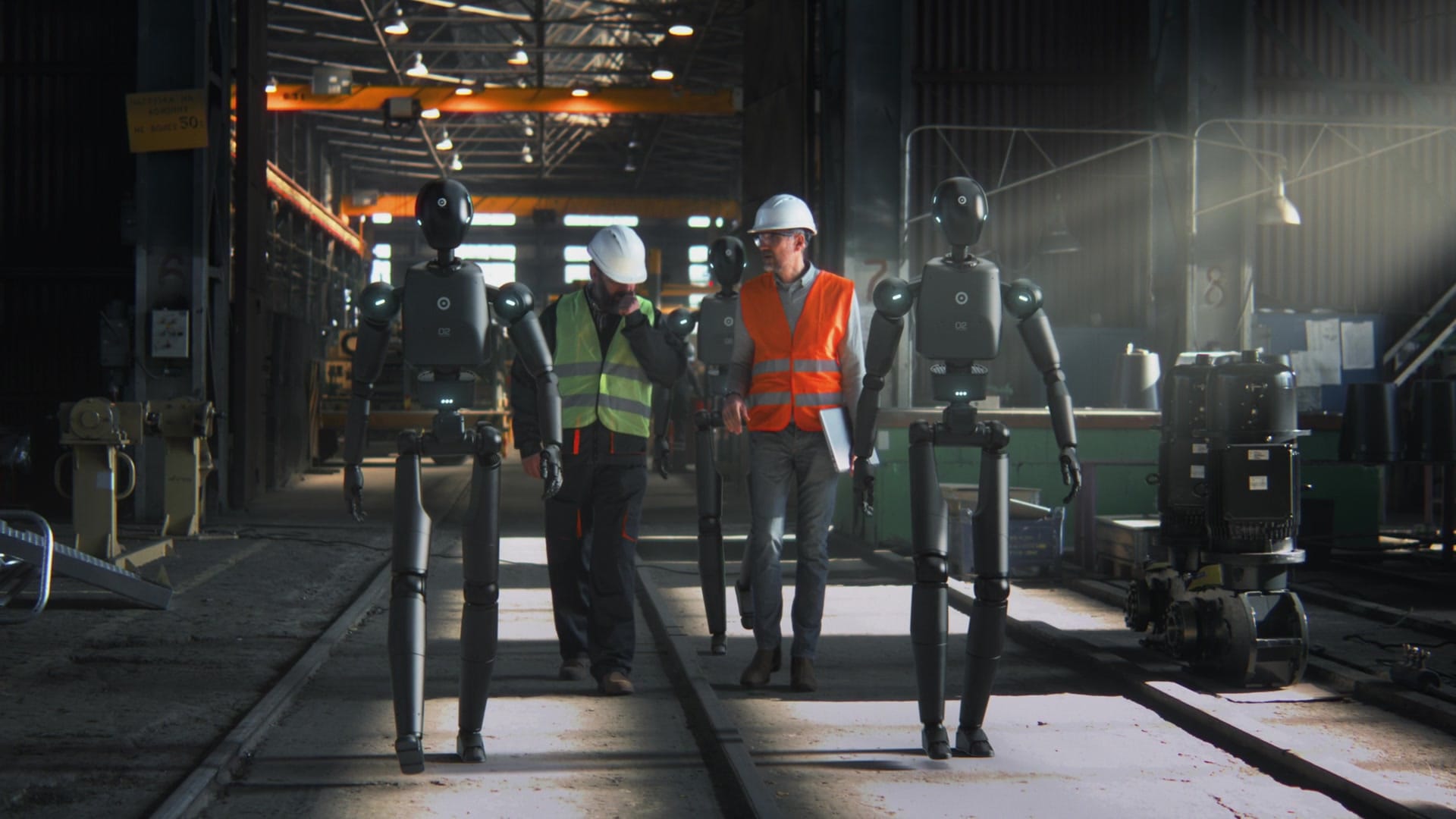
In 2015, Beijing published "Made in China 2025" — a plan to achieve dominance in ten high-tech industries, including semiconductors, robotics, electric vehicles, aerospace, biotech and advanced rail. The plan was so provocative that Beijing stopped mentioning it publicly after the trade war began, but the money kept flowing. A decade later, the scorecard is mixed by sector — cutting-edge chips remain the hardest gap — yet in EVs, batteries, solar, drones and increasingly robotics, the targets were met or exceeded.
The Catch: Overcapacity and the Tariff Backlash
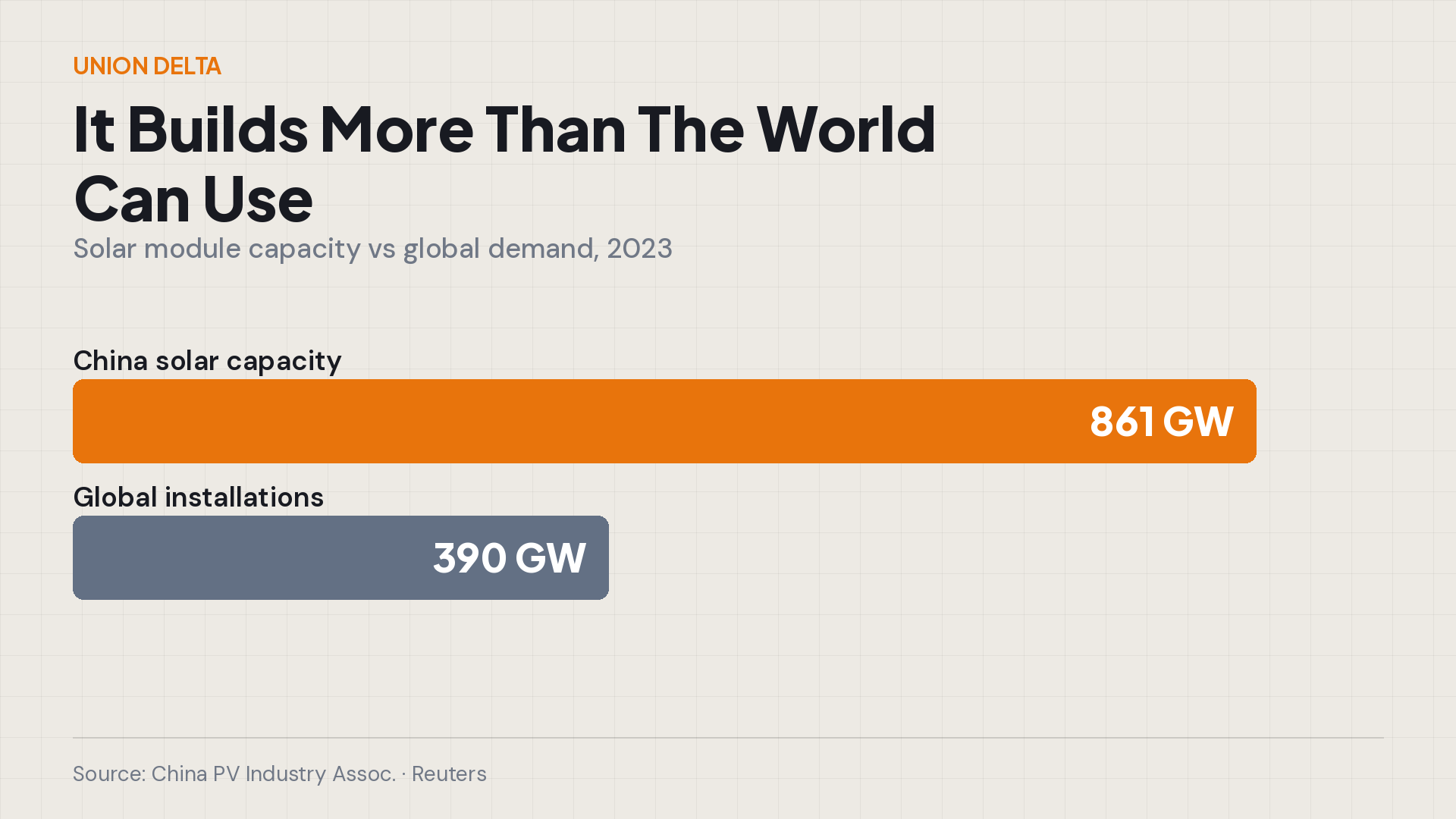
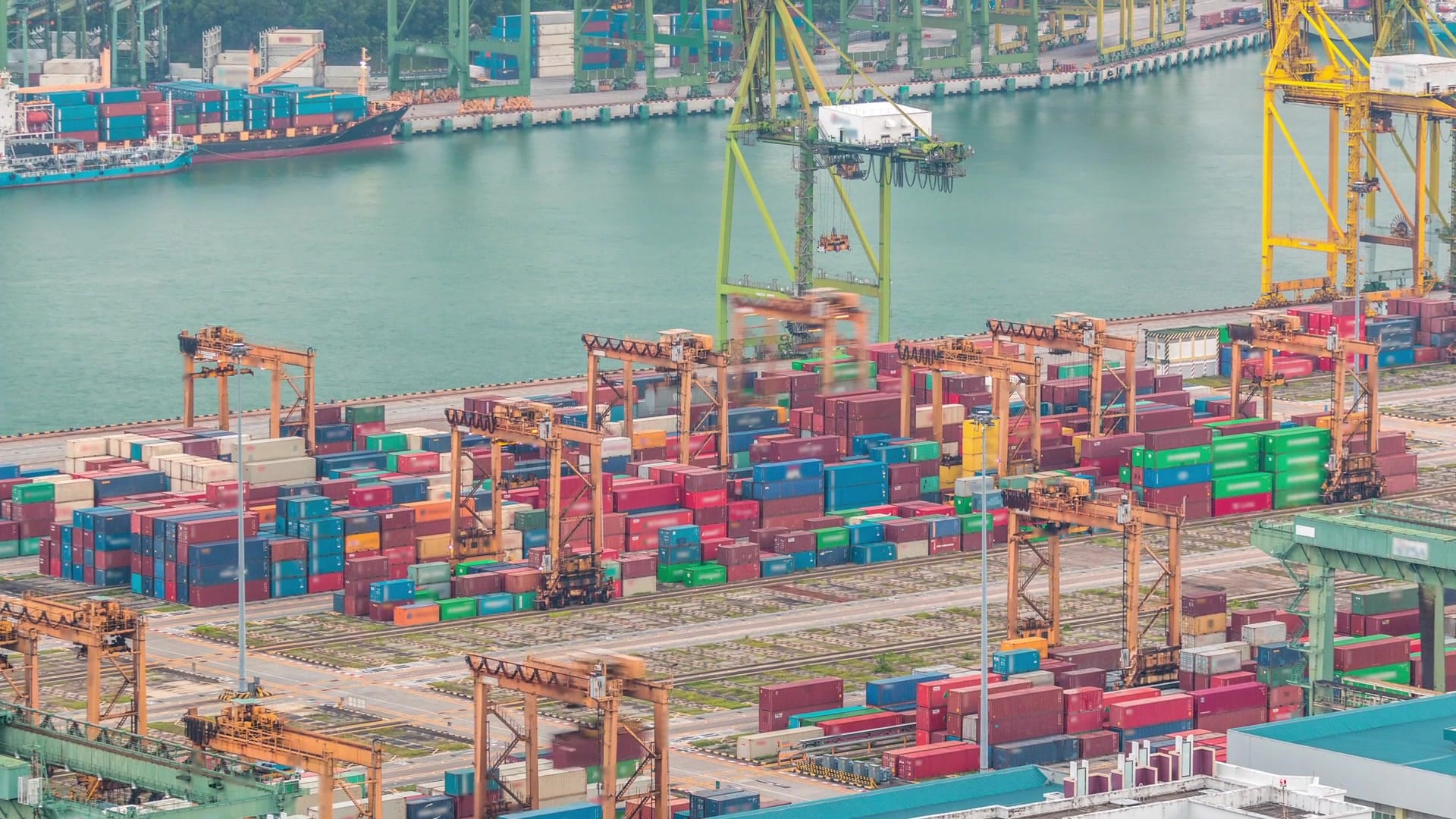
Here is the flaw in the machine. When the state showers a sector with cheap capital, everyone builds capacity at once. In 2023, China's solar module manufacturing capacity reached 861 GW while global installations were only 390 GW, according to the China PV Industry Association and Reuters. Capacity at more than double worldwide demand collapses prices, bankrupts weaker producers, and floods export markets with product priced below any Western competitor's cost.
The political response was predictable: tariff walls went up across the United States and Europe — on EVs, solar, steel, and increasingly on ordinary consumer goods. For US importers, this is where the history lesson becomes a line item. The end of de minimis closed the small-parcel loophole, and duty rates now vary wildly by category and by month. We track the current landscape in our FBA tariff rates guide.
What This Actually Means If You Source From China
History is interesting; landed cost pays the bills. Here are the three conclusions we draw from this story every week, running real sourcing projects for US importers and Amazon sellers.
1. The price advantage is shrinking — but the ecosystem is not
Chinese labor is no longer the cheapest in Asia, and tariffs have erased the FOB price gap on many categories. What has not been replicated anywhere is the ecosystem: components, tooling shops, sub-suppliers, testing labs, freight forwarders and engineers concentrated in a single region, iterating at a speed no other country matches. Need a mold modified, a new colorway sampled, and revised units on a boat within three weeks? In the Pearl River Delta that is a normal week. In most alternative countries it is a quarter.
The practical rule: judge China not on unit price alone but on total cost of iteration — sampling speed, tooling cost, MOQ flexibility, and how fast the supplier can absorb an engineering change. For products that are still evolving, that ecosystem is usually worth more than a 10–15% FOB difference.
2. Tariffs, not factory prices, now decide your landed cost
We see importers celebrate a $0.05 factory-price win and then get hit with a duty change worth $0.40 a unit. The FOB quote is now the least volatile number in the stack. Model every SKU on landed cost, and refresh the model whenever tariff schedules move:
Concretely, that means: verify the HTS classification per SKU (do not trust the supplier's suggestion), price freight on both ocean and air against your cash-flow needs — our China-to-USA shipping guide covers the tradeoffs — and stress-test the SKU's margin at a duty rate 10–20 points above today's. If the product only works at the current tariff level, the product does not work.
3. "China Plus One" is smart — but China is still the anchor
Diversification is rational; abandonment usually is not. The pattern that works, and the one we recommend in our China Plus One analysis, is selective: move labor-intensive, tariff-sensitive, simple-assembly lines (textiles, basic soft goods, simple plastics) to Vietnam, India or Mexico — and keep complex, high-mix, tooling-heavy production (anything with custom molds, electronics, precision metal, multi-component assembly) in China, where the sub-supplier network makes it feasible at all.
Watch out for the fake diversification trap: many "Vietnam" factories still import most components from China, so you carry Chinese supply-chain risk plus an extra border, without escaping much duty exposure once origin rules are applied properly. Real diversification is verified at the bill-of-materials level, not the shipping-label level.
Frequently Asked Questions
How did China become the world's factory?
China became the world's factory through Deng Xiaoping's market reforms starting in 1978, Special Economic Zones like Shenzhen (established 1980) that attracted thousands of foreign factories with cheap labor, cheap land and export-first policies, and decades of state investment in infrastructure and strategic industries. China overtook the United States as the largest manufacturer in 2010 and has since moved up the value chain into EVs, batteries, solar and robotics.
What percentage of the world's products are made in China?
China produces about 29% of global manufacturing output, according to UN Statistics and World Bank data — nearly a third of everything manufactured on Earth. That exceeds the combined output of the United States (16%), Japan (7%), Germany (5%) and South Korea (3%).
Is China still the cheapest place to manufacture?
No — Chinese labor costs now exceed those in Vietnam, India and Bangladesh, and US tariffs have erased the price gap in many categories. China's remaining advantage is its supply-chain ecosystem: component availability, tooling, sub-suppliers and iteration speed that no other country currently matches, which often outweighs a modest FOB price difference for complex products.
What is Made in China 2025?
Made in China 2025 is an industrial plan published by Beijing in 2015 to achieve global leadership in ten high-tech industries, including semiconductors, robotics, electric vehicles and aerospace. A decade on, China has met or exceeded targets in EVs, batteries and solar, while advanced chips remain the biggest unmet goal.
Why are Chinese goods so cheap?
Chinese goods are cheap because of supply-chain density that lowers component and logistics costs, enormous production scale, and state support — subsidies, cheap loans and cheap power documented by CSIS — that reduces factory cost structures. Overcapacity amplifies this: in solar, China's 861 GW of module capacity against 390 GW of 2023 global demand (per the China PV Industry Association and Reuters) forced prices below Western producers' costs.
Should I move my sourcing out of China?
Move selectively, not wholesale. Labor-intensive, tariff-exposed, simple products often make sense to shift to Vietnam, India or Mexico, while complex, tooling-heavy, high-mix products usually still belong in China because the sub-supplier ecosystem does not exist elsewhere. Decide per SKU based on landed cost — product, freight, duties and fees — rather than FOB price or headlines.
Get your landed cost from China — before it surprises you
Union Delta finds and vets Chinese factories, negotiates in Mandarin, and quotes your true landed cost per SKU: product, freight, duties and fees in one number. US-based, Atlanta. First consultation is free.
Get a Free Sourcing Quote