
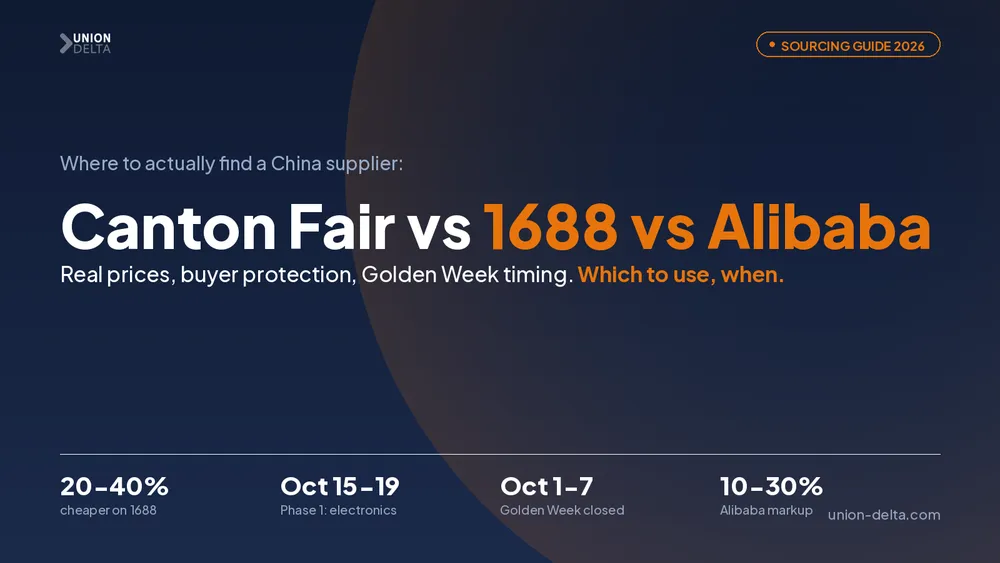
Most sellers looking to find a China supplier in 2026 do the same thing: open Alibaba, search their product, message the first ten "Gold Suppliers," and pick whoever answers fastest in decent English. It works — sort of. But Alibaba is often not where the best price lives, and the "manufacturer" you're messaging is frequently a trading company sitting between you and the real factory.
There are three serious channels for China wholesale sourcing, and they solve different problems. Alibaba is the English-language front door with buyer protection. 1688 is the Chinese domestic wholesale platform where the same factories sell the same goods for 20-40% less. And the Canton Fair — the enormous twice-yearly trade fair in Guangzhou — is where you meet suppliers in person, hold the actual product, and verify a factory with your own eyes.
This guide compares Canton Fair vs 1688 vs Alibaba honestly: real pros, real cons, who each channel is for, and — because it's autumn 2026 and the Canton Fair opens October 15 — how to time all of this around Golden Week and the Q4 restock crunch.
Alibaba: The Front Door (and Its Markup)
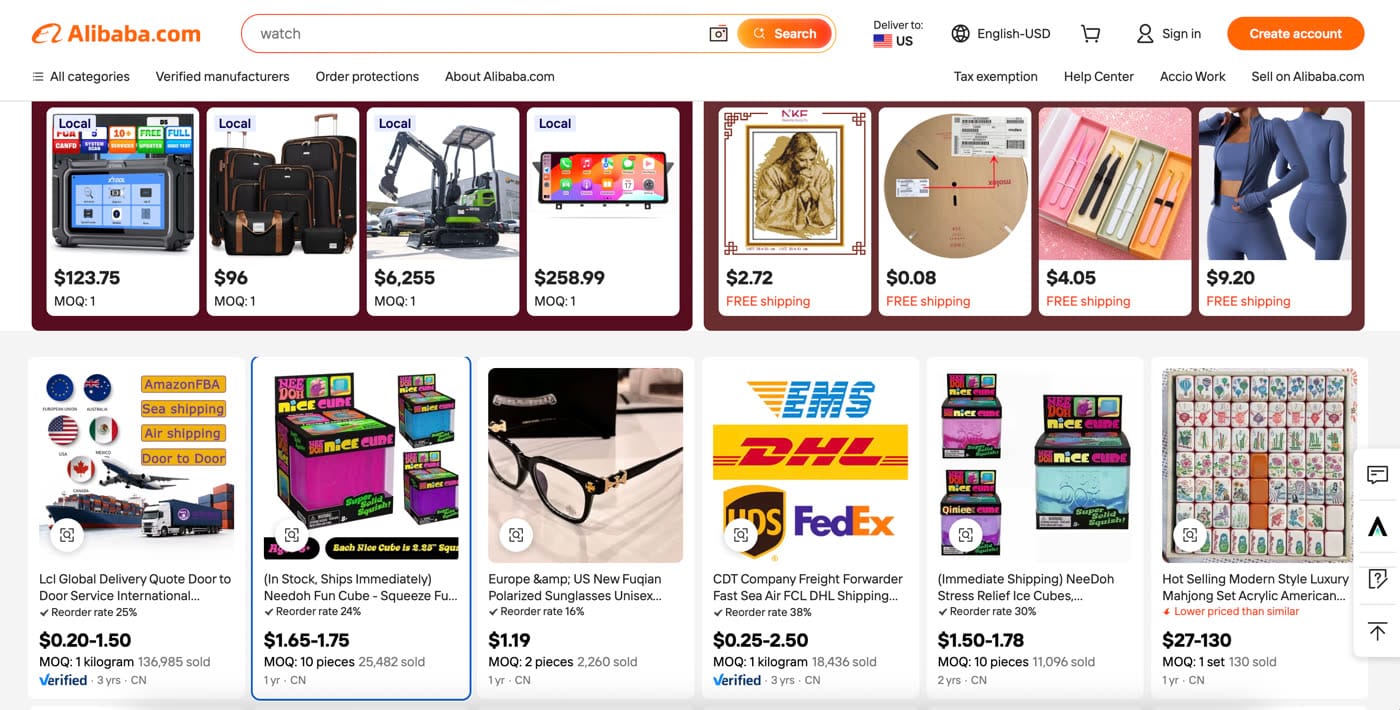
Alibaba.com is the global B2B marketplace built specifically for international buyers, and everything about it reflects that. The interface is in English. Suppliers staff English-speaking sales reps. Trade Assurance holds your payment in escrow until you confirm the order arrived as agreed, and the platform runs supplier verification programs and dispute resolution. You can pay with a US card or wire, and MOQs are often negotiable — many suppliers will do a small trial order to win a new international customer.
For a first-time importer, that safety net is genuinely worth paying for. And you do pay for it.
- Prices are higher. A large share of Alibaba listings are trading companies and middlemen, not factories — and they typically add 10-30% on top of the factory price. Export-oriented service (English staff, documentation, hand-holding) gets baked into every quote too.
- "Gold Supplier" is not vetting. It's a paid membership tier, not proof you're dealing with a real, audited factory. Plenty of gold-badged listings are middlemen with a nice storefront.
- Everyone else is quoting the same suppliers. The listings you find in ten minutes are the same ones your competitors found in ten minutes.
1688: Where the Factory Price Actually Lives
1688.com is Alibaba Group's domestic wholesale platform — the site Chinese wholesalers, distributors, and e-commerce sellers buy from. Same parent company as Alibaba.com, and in many cases the same factories. Different market, different price: for the same goods, 1688 listings often run 20-40% below Alibaba, because there's no export-service overhead and no middleman layer priced in. The selection is also enormous — small workshops and specialty factories that never bother listing internationally are all there.
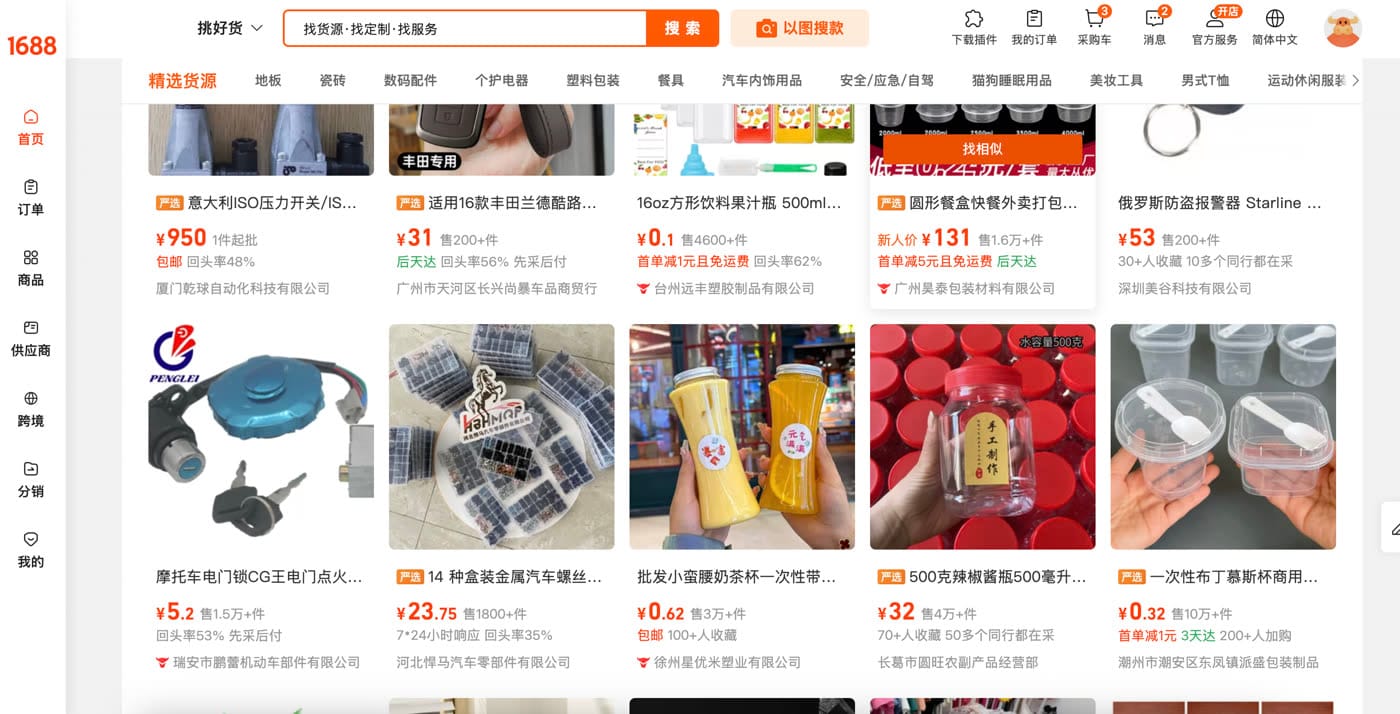
The catch is that 1688 was never built for you:
- Everything is in Chinese. No English version. Machine translation gets you through browsing, but not negotiation or a quality dispute.
- No buyer protection for foreigners. There is no Trade Assurance equivalent for an overseas buyer. Disputes run through Chinese-language channels under domestic rules.
- Domestic payment only. Suppliers expect Alipay or a Chinese bank transfer. Your US card and your wire in USD don't work here.
- Domestic shipping only. Orders ship to an address inside China. Someone has to receive, inspect, consolidate, and export your goods.
The catch: they sell domestically, not for export
The language barrier is the obvious problem. The deeper one is that 1688 sellers serve the Chinese domestic market, and most have simply never exported. Export isn't their business and they have no reason to learn it. Many have never issued a proforma invoice, can't produce export documentation, and won't handle a foreign order the way a dedicated Alibaba export sales rep would — not out of bad faith, but because it's genuinely outside their world. They price and sell to a Chinese wholesaler down the road, and that's the whole model.
That leaves the entire export machine on your side of the table. A 1688 seller typically can't accept USD or an international wire — payment is domestic only, via Alipay, a Chinese bank transfer, in RMB, with no Trade Assurance, no escrow, and no English contract. And getting the goods out of China is its own maze of things the seller will not touch: who is the exporter of record, the customs and export declaration, correct HS codes, the VAT rebate, currency conversion, consolidating cartons from several factories, pre-shipment inspection, and booking the freight. None of that is the seller's job, and none of it happens by itself.
So 1688's unbeatable price only becomes real for a foreign buyer when there's a China-side partner buying in RMB, running QC, consolidating, and handling the export end to end — which is precisely the gap Union Delta closes.
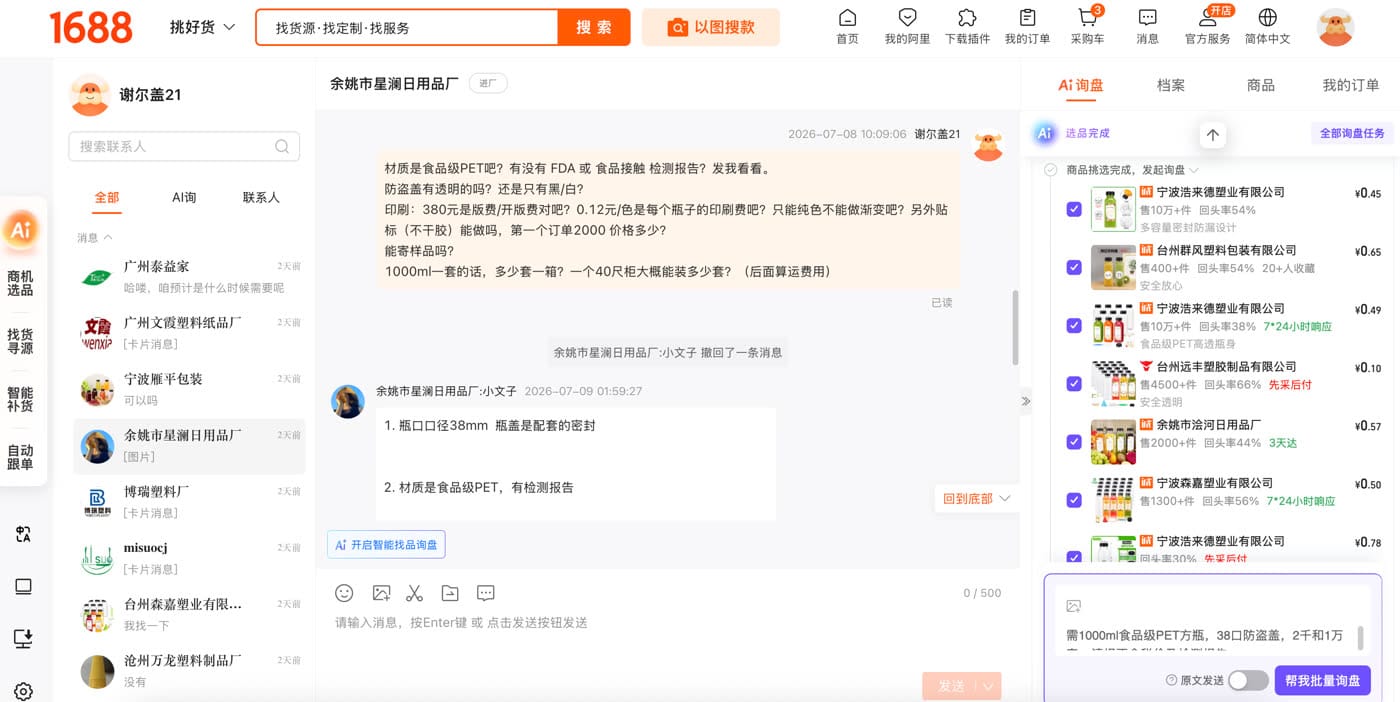
In practice, that means 1688 is used through a China-based agent or partner — someone who buys on your behalf, checks the goods before they leave the factory, and handles export. Without a person on the ground, you carry the full middleman and quality risk yourself, with no escrow to fall back on. With one, 1688 is the single biggest margin lever in China wholesale: this is where you move your reorders once you know exactly what you're buying.
Canton Fair: Shake the Hand That Makes Your Product
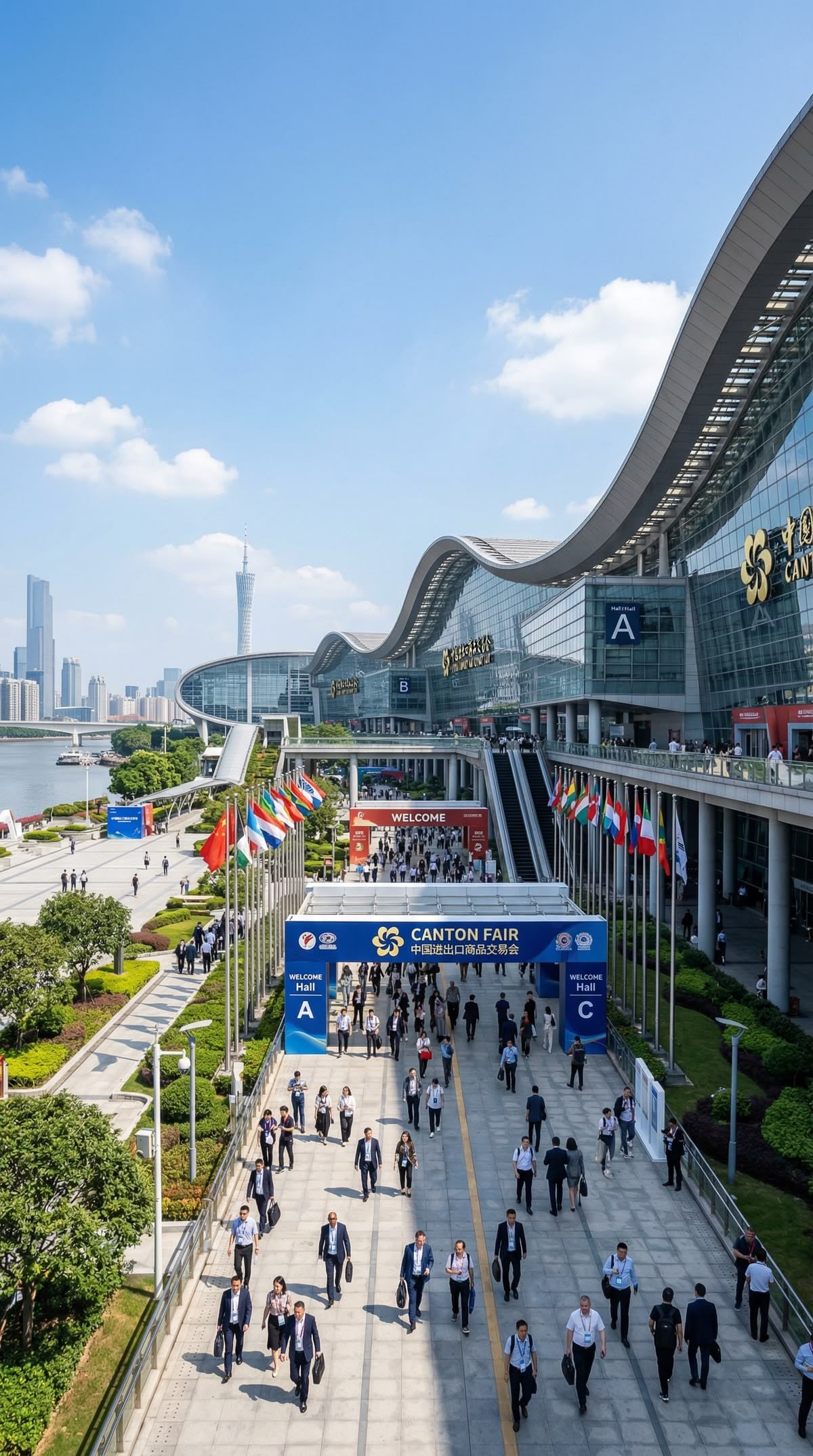
The Canton Fair is the giant trade fair held twice a year — spring and autumn — in Guangzhou. It's the one channel on this list where you're not looking at a listing at all. You walk the halls, pick up real samples, compare five competing factories' versions of your product side by side in an afternoon, and talk to the people who actually run the production line.
What the fair does that no website can:
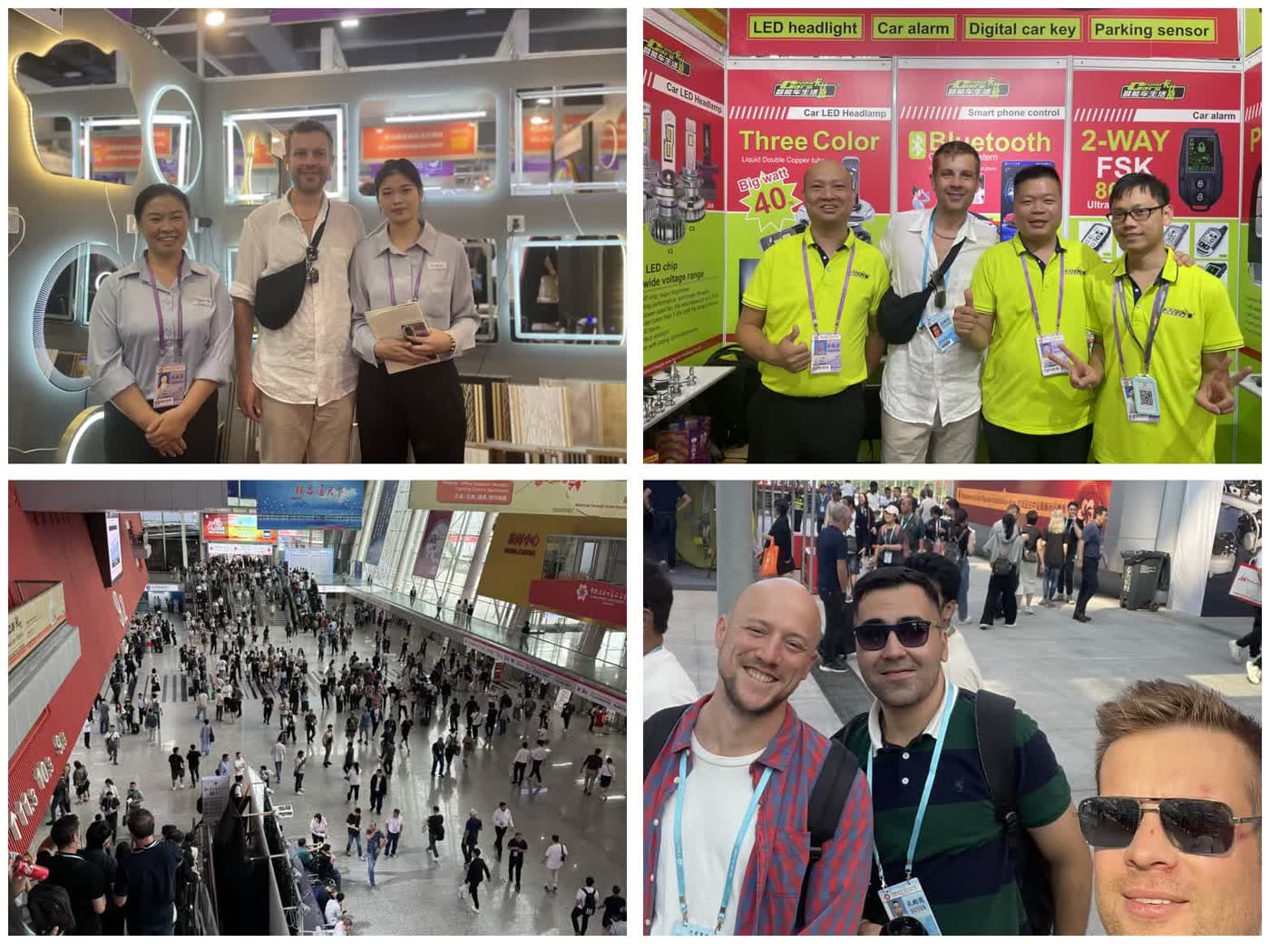
- Verification in person. A booth staffed by engineers who can answer technical questions instantly is a very different signal than a polished Alibaba storefront. You learn more in a ten-minute booth conversation than in a month of messaging.
- Discovery. You find products, variants, and materials you didn't know existed — the stuff that never makes it into a search-optimized listing.
- Relationships. Chinese suppliers take face-to-face buyers seriously. Pricing, priority in the production queue, and flexibility on MOQ all improve once you've met.
And the fair is a global business ecosystem, not just a showroom. For those three weeks, buyers, brand owners, and traders fly into Guangzhou from all over the world — the city's hotels book out solid for the dates, and the halls fill with people who source for a living. Beyond the booths there are seminars and masterclasses, and a level of face-to-face networking you can't manufacture online: other importers comparing notes, sourcing agents, freight forwarders, and factory owners all in the same rooms. You leave having learned a lot about actually doing business with China — often with new partners, fresh supplier relationships, and product or business ideas you didn't arrive with. The informal value (who you meet in the aisles, at dinner, in your hotel lobby) frequently rivals the samples themselves. For a serious buyer, the trip is worth it for the network and the education, not only the catalog.
Why we go, twice a year, every year
Union Delta has attended both Canton Fair sessions every year since 2008. Year after year we sit down with many of the same factories — relationships built over more than a decade. Each fair we catch up on what's new (products, materials, capabilities), walk through current and ongoing orders with those factories face to face, and keep the network warm while meeting new suppliers and partners at the same time. That continuity is the point: working with someone who is physically in the halls twice a year, every year, beats cold-messaging a booth once. The trust and the shared history are already there before your order even starts.
It's bigger than you can walk in a day
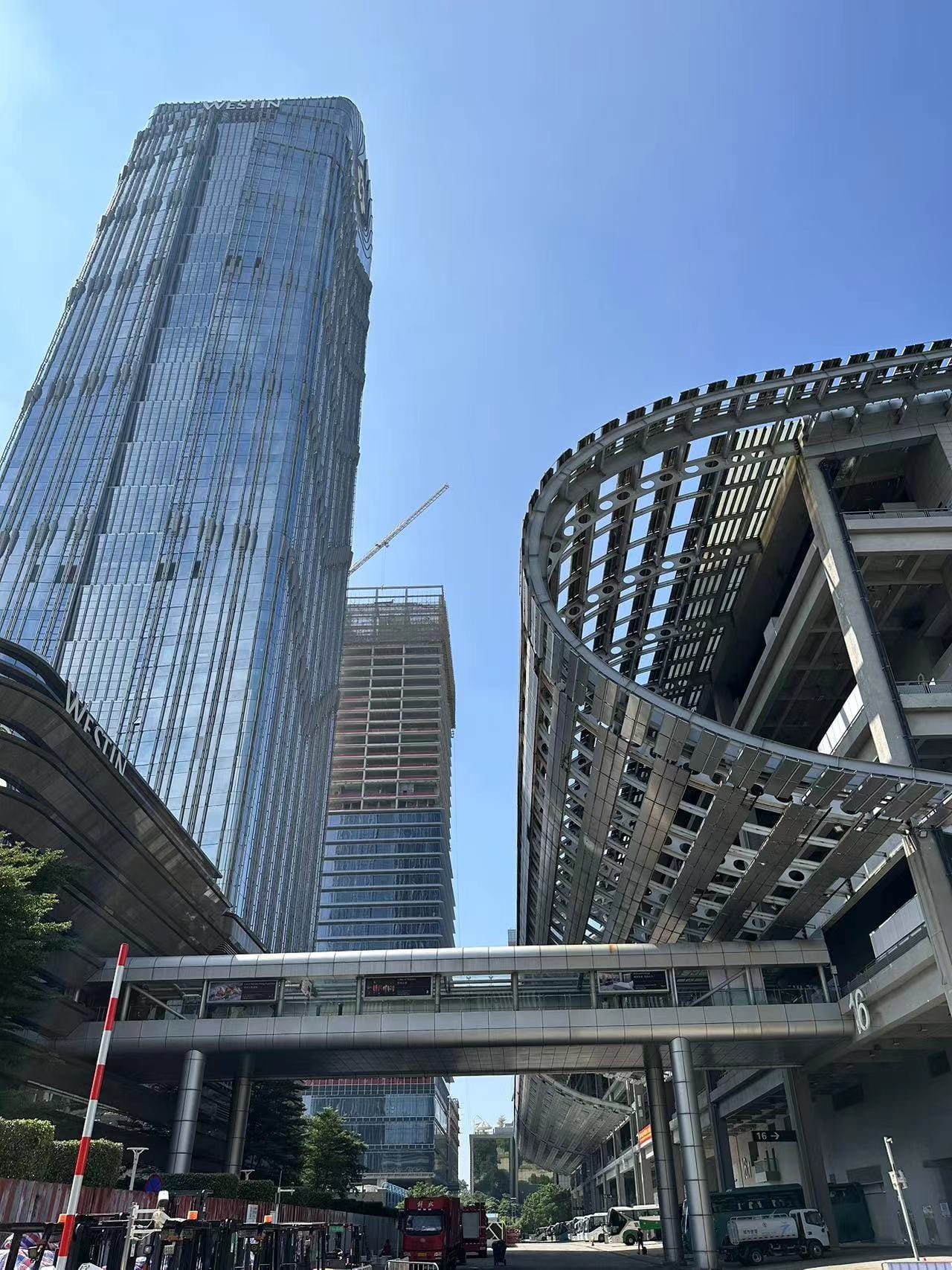
It's hard to overstate the scale. The Canton Fair is one of the largest trade fairs on earth, held at the China Import and Export Fair Complex in Guangzhou's Pazhou district — roughly 1.5 million square meters of exhibition space, a number that means nothing until you're standing in it. Each session packs in around 74,000 booths and over 25,000 exhibitors, spread across dozens of multi-floor halls organized into Areas A, B and C and connected by long elevated skywalks. You can walk for hours and not finish a single area. And it's not a quiet place: well over 200,000 overseas buyers from more than 210 countries and regions pour through each session.
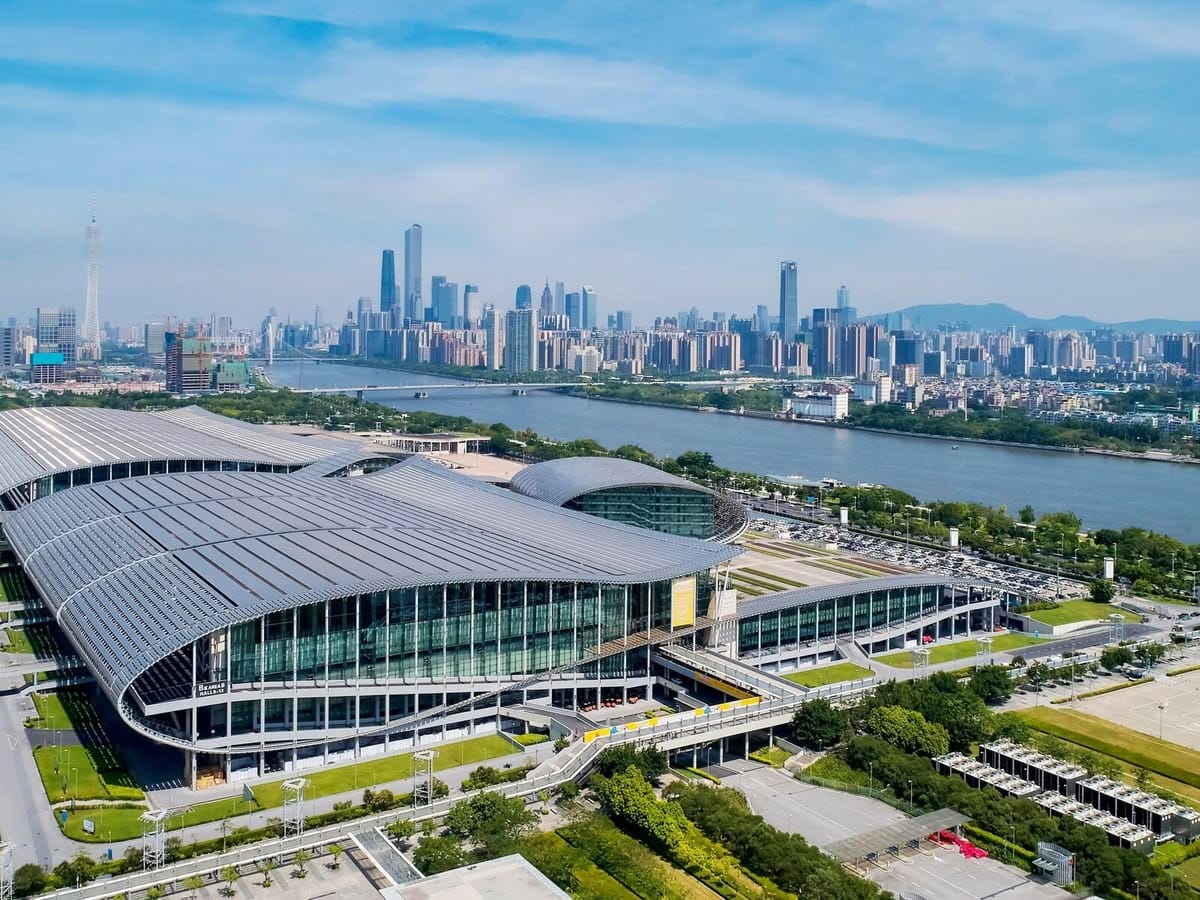
The practical takeaway is blunt: you cannot see it all in one visit — it's physically impossible. You have to plan a route by product zone and phase (which is exactly why the phase breakdown below matters), wear comfortable shoes, and ruthlessly prioritize. It's also why having a partner who already knows the halls and the right booths saves you days on the ground.
The honest cons: it costs real money and real time. Flights, hotels (Guangzhou hotel prices spike during the fair), visa logistics, and roughly a week away from your business — and you have to time it right, because the fair runs in phases and your product category is only exhibited in one of them. It's not a channel for a $2,000 test order. It's a channel for buyers who are serious about a category, scaling an existing product, or who need to look a factory in the eye before wiring a five-figure deposit.
Side by Side: Canton Fair vs 1688 vs Alibaba
| Channel | Language | Best for | Pricing | MOQ | Buyer protection | Main risk |
|---|---|---|---|---|---|---|
| Alibaba | English | First orders, sampling, escrow buyers | Highest (10-30% middleman markup common) | Often negotiable | Trade Assurance escrow | Trading companies posing as factories |
| 1688 | Chinese only | Reorders, scaling, margin | Lowest — often 20-40% below Alibaba | Low–medium (domestic wholesale) | None for foreign buyers | Quality/middleman risk without an agent on the ground |
| Canton Fair | English at most booths | Verification, new categories, relationships | Factory-direct, best negotiating position | Negotiated face-to-face | None — you are the vetting | Travel cost + time; must hit the right phase |
Notice what the table really says: the channels aren't competitors, they're stages. Alibaba is how you start. 1688 is how you scale. The Canton Fair is how you go deep. Most successful importers we work with end up using two or all three.
Timing It for Autumn 2026: Golden Week + Canton Fair
Here's why this comparison matters right now. Two dates dominate the autumn 2026 sourcing calendar, and they're two weeks apart.
Golden Week: October 1–7 — China closes
China's National Day holiday shuts factories across the country from October 1 to October 7, 2026. In practice the slowdown is wider than the official dates: expect slow or zero responses from suppliers through the last days of September and the first full week of October, and expect production queues to back up on both sides of the holiday. If you need samples confirmed, deposits acknowledged, or production slotted before mid-October — do it in September.
Canton Fair Autumn 2026: October 15 – November 4, three phases
The fair runs in three phases, and you must attend the one that covers your category:
- Phase 1 — October 15–19: Electronics & Household Electrical Appliances; Hardware & Tools; Machinery; Building Materials; Lighting Equipment; Vehicles & Spare Parts; Chemical Products; Energy & industrial supplies. If you're reading this blog — hardware, keychains, EDC gear, cables, and small metal or plastic accessories all fall here — this is your phase.
- Phase 2 — October 23–27: Consumer Goods; Gifts & Premiums; Home Decorations & Household Items; Kitchenware, Tableware & Ceramics; Furniture; Toys; Stationery & Office supplies; Pet products.
- Phase 3 — October 31 – November 4: Textiles & Garments; Shoes; Home Textiles; Cases, Bags & Luggage; Food; Medicine, Medical Devices & Health products; Sports & recreation/outdoor.
One more autumn-specific note: the weeks right after the fair are the busiest quoting season of the year. Factories come home with stacks of business cards and prioritize the buyers they met. If you attended — follow up within days, not weeks. If you didn't — expect slightly slower supplier responses through mid-November while everyone digests their fair pipeline.
Which One, When: The Quick Verdict
- Sampling or first order? Alibaba with Trade Assurance — pay the markup, keep the escrow. Or, if the timing lines up and the order size justifies it, go straight to the Canton Fair and meet your shortlist in person.
- Reordering and scaling a proven product? Move it to 1688 through a China-based agent. This is where the 20-40% margin recovery lives, and by now you know exactly what "good" looks like for your product.
- Entering a new category or verifying a factory before a big commitment? Canton Fair. One Phase 1 afternoon replaces months of listing archaeology.
The pattern behind all three answers: what actually blocks most sellers isn't finding suppliers — it's the ground game. Someone has to pay in RMB, inspect goods before they ship, consolidate cartons from three factories into one container, and sit across the table at a booth in Guangzhou. That gap is exactly what Union Delta covers: supplier verification, MOQ negotiation, factory audits, sample runs, and consolidation/export — your team on the ground in China, whichever channel the math favors. We're not loyal to any platform; we're loyal to your landed cost.
Read next
Sourcing for Q4? Get a team on the ground in China.
Tell us what you're buying — we'll quote it across 1688 and Alibaba, vet the factories, and handle inspection and export. Message us on Telegram at t.me/union_delta or start at union-delta.com.
Message us