
A mold for the exact same part can cost $800 or $30,000. Same drawing, a 30x swing in tooling. The biggest reason isn't the supplier ripping you off - it's that there are very different types of molds, built for very different goals. A cheap, temporary tool to try a product is a completely different object from a hardened steel mold built to run a million parts. Pick the wrong type and you either overpay for a tool you don't need, or buy a cheap one that cracks in the middle of your first real order. This guide walks through every mold type, what each actually costs, and how to land in the right tier.
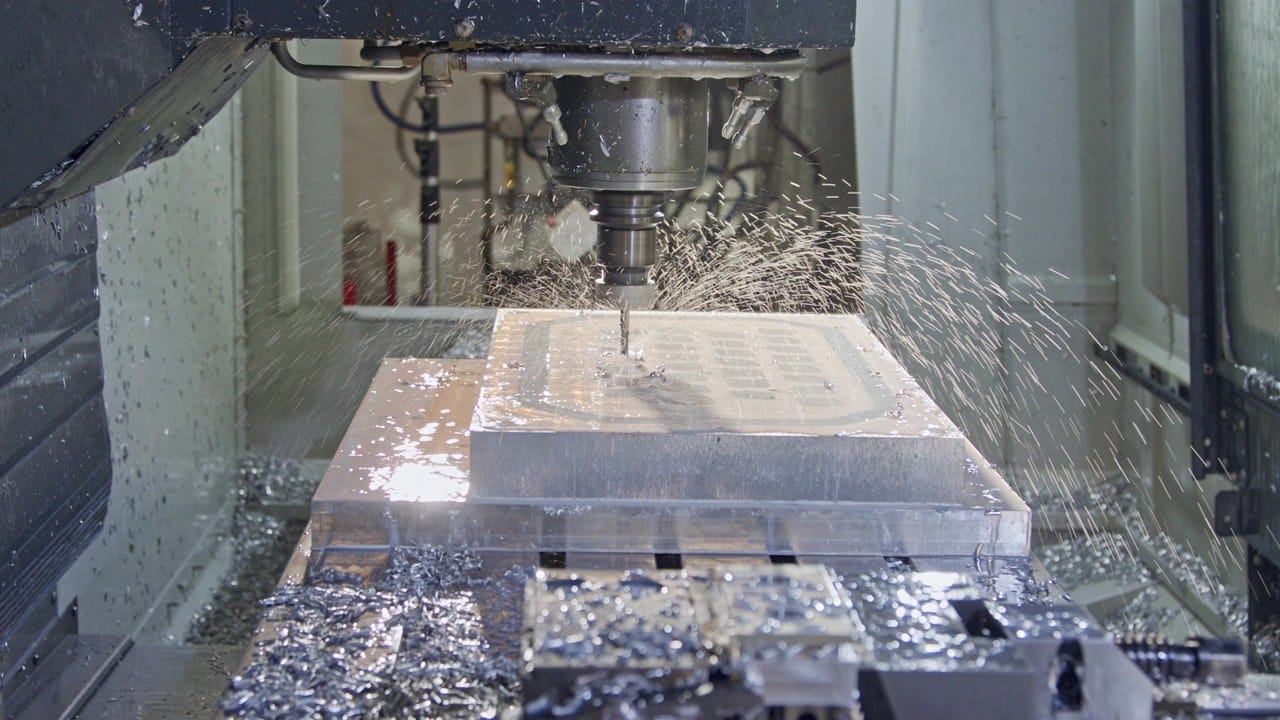
The mold spectrum: from a $300 "try it" tool to a $30,000 production mold
Think of molds as a spectrum, not a single product. On one end is a cheap, fast, temporary tool whose only job is to prove your product works. On the other is an expensive, precise production tool built to run for years. Toolmakers loosely group them into three tiers - and knowing which tier you actually need is the single most important decision in the whole process.
1. Prototype / soft tooling - the cheap, temporary "try it" mold
This is the tool you open when you're not sure yet - you want to test the fit, the feel, the market, before betting real money. It's cut from soft aluminum (or even 3D-printed for the simplest parts), which is fast and cheap to machine. The trade-off: it's temporary. A soft mold wears out after roughly a few thousand to ~50,000 shots, and it can't hold the tightest tolerances or finishes.
- Cost: the low end of the range - often a few hundred to a few thousand dollars.
- Lifespan: ~5,000-50,000 shots.
- Best for: prototypes, a small first batch, crowdfunding samples, testing a new design before you commit.
- Watch out: it is not built to survive a real production run. Treat it as disposable.
2. Bridge tooling - the in-between
Bridge tooling sits between a prototype and a full production mold. It's tougher than soft tooling but cheaper and faster than a hardened production tool. It "bridges" the gap while you're validating demand or waiting on a production mold to be built - useful for early sales runs where you need real parts but aren't ready to commit to million-shot steel.
3. Production tooling - the quality mold built for high volume
This is the real, lasting tool. It's cut from pre-hardened P20 steel for normal production, or fully hardened steel (H13, S136) for high volume, clear, abrasive or medical parts. It costs far more up front, but it runs hundreds of thousands to well over a million parts, holds tight tolerances, and drops your per-unit price - especially with multiple cavities. This is what you want once the product is proven and you'll be reordering for years.
- Cost: the high end - several thousand to $30,000+ depending on size, cavities and complexity.
- Lifespan: P20 ~300k-500k shots; hardened steel 1M+.
- Best for: proven products, ongoing reorders, high volume, tight quality requirements.
| Prototype / soft tooling | Production tooling | |
|---|---|---|
| Material | Aluminum / 3D-printed | P20 or hardened steel (H13/S136) |
| Tool life | ~5k - 50k shots | 300k - 1M+ shots |
| Up-front cost | Low (hundreds-low thousands) | High (thousands - $30k+) |
| Lead time | Fast | Slower (more machining) |
| Precision / finish | Limited | Tight tolerances, fine finishes |
| Use it when | Testing a product / small first run | Proven product, high volume, reorders |
The classic mistake runs both ways: paying for a million-shot hardened tool when you'll only ever sell 20,000 units, or buying a cheap aluminum tool for a product you'll reorder for years and watching it fail mid-production. Match the tool to your real forecast, not your optimism.
Why the same mold gets a $1,000 and a $9,000 quote
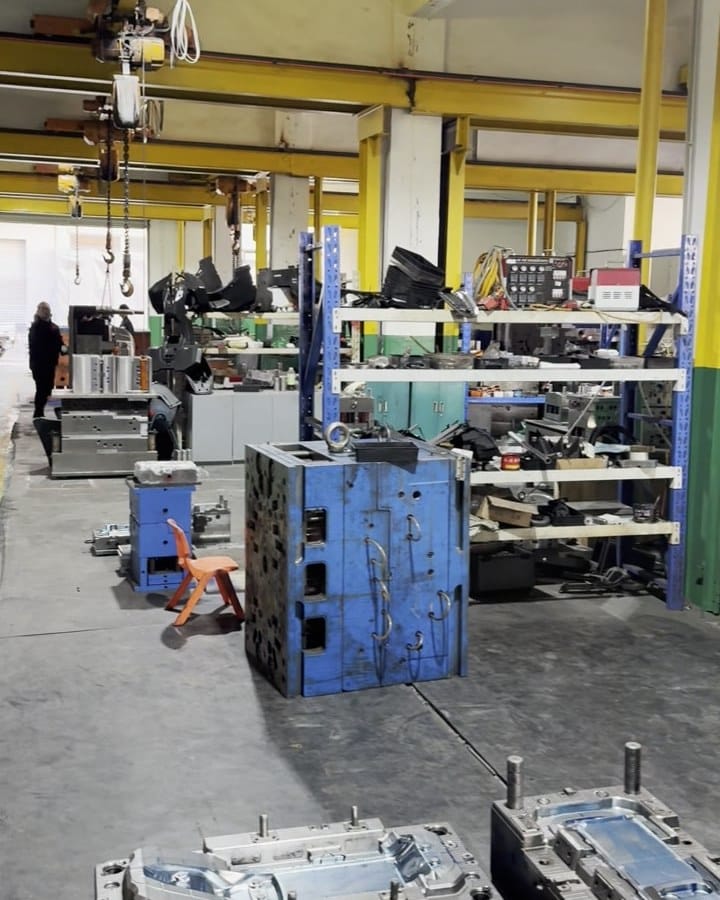
Here's something most importers don't know, and many suppliers quietly count on: the factory that makes your product often doesn't make the mold. Molds are built by specialized tooling shops. So when you ask a manufacturer for a tooling price, your supplier walks the spec over to a mold shop, gets a quote, marks it up, and pockets the difference. You never see the real number.
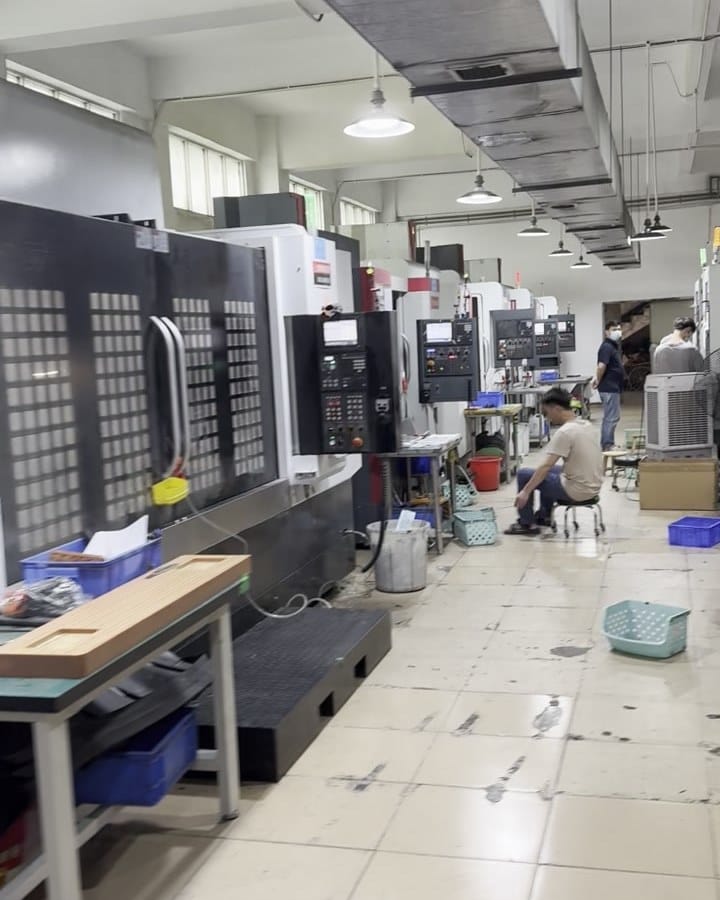
We see it constantly. Send the exact same mold spec to several factories and the quotes scatter: one shop says $1,000, another says $9,000. Same drawing, same cavity count, same steel. The only real difference is who is pricing it - and how much they assume you don't know. That's not a reason to always chase the cheapest quote; it's a reason to understand the cost drivers below so you can tell a fair number from a marked-up one.
The four things that actually drive mold cost
Strip away the jargon and tooling price comes down to four levers. Every quote you'll ever get is some combination of these.
| Driver | Cheap end | Expensive end | Why it costs more |
|---|---|---|---|
| 1. Mold steel | Soft aluminum | Hardened steel (H13 / S136) | More machining, more tool life |
| 2. Cavity count | 1 cavity | 8, 16, 32 cavities | More cavities = more steel, lower unit price |
| 3. Part complexity | Simple, no undercuts | Sliders, lifters, threads | Every moving part adds steel |
| 4. Material molded | Rigid plastic (ABS/PP) | TPU / silicone | Changes the tool itself |
1. The steel grade decides how long your tool lives
This is the single biggest lever, and it's really a bet on volume - the same bet behind the prototype-vs-production split above. Soft aluminum is cheap and fast but temporary; P20 is the workhorse for normal production; hardened H13 or S136 costs far more but runs well over a million parts and handles abrasive, clear or medical jobs.
| Steel | Approx. tool life | Best for |
|---|---|---|
| Aluminum / soft tooling | ~5k - 50k shots | Prototypes, bridge runs, low volume |
| P20 pre-hardened | ~300k - 500k shots | Typical production volumes |
| Hardened H13 / S136 | 1M+ shots | High volume, clear, abrasive, medical |
2. Cavity count: pay more now, pay less per part forever
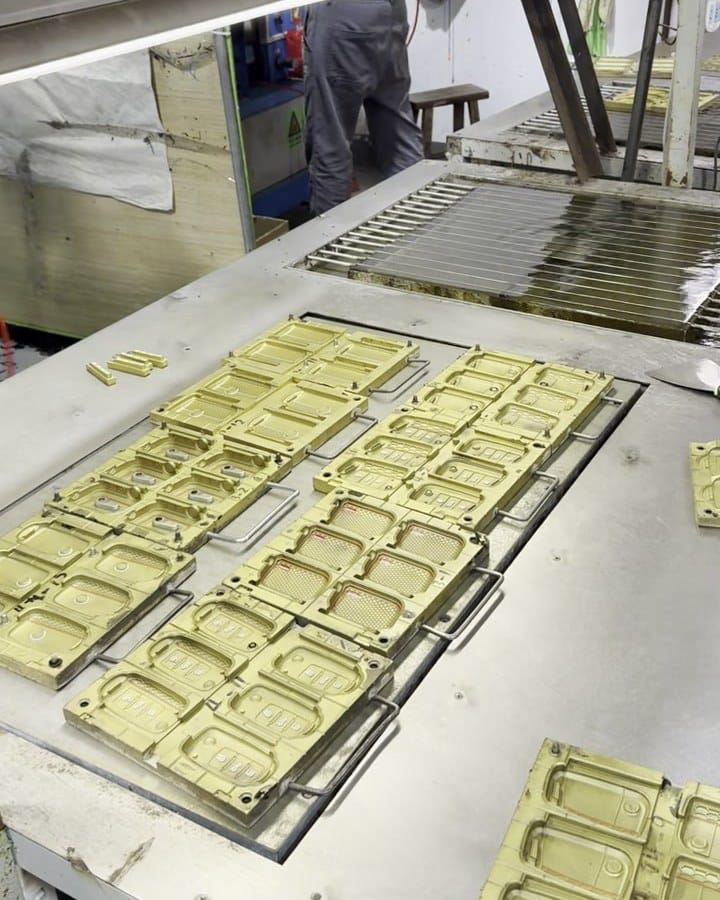
A single-cavity mold makes one part per shot - cheapest tool, slowest output. A multi-cavity mold (4, 8, 16, even 32 cavities) makes that many parts every cycle. It costs a lot more to build because it's more precise steel, but it slashes your per-unit price and multiplies output. For high volume the higher tooling bill pays for itself fast; for low volume it's wasted money.
3. Part complexity: every moving part adds steel
A flat, simple part is cheap to tool. The moment your design has undercuts, side-actions (sliders), lifters, internal threads, very thin walls or tight tolerances, the mold needs extra moving steel to form and release those features. Moving steel is expensive steel. Surface finish matters too: a mirror polish for clear parts or a deep texture both add hours. A small design tweak that removes an undercut can quietly knock hundreds or thousands off the tool.
4. The material changes the tool, not just the part
People assume the mold is the mold and the material is a separate choice. It isn't - what you're molding changes the tool itself.
- Rigid plastic (ABS, PP, PC) - standard thermoplastic injection. The straightforward, well-understood case.
- TPU (flexible) - abrasive and sticky. It needs better steel, smarter gating and polish, and it's prone to warping. Harder to mold well, so the tool costs more.
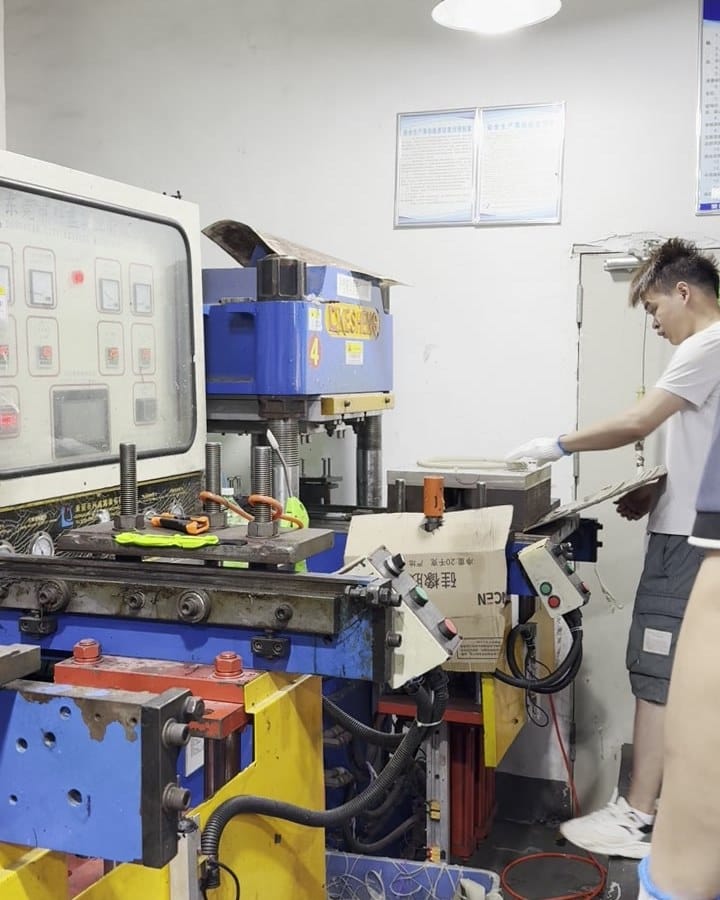
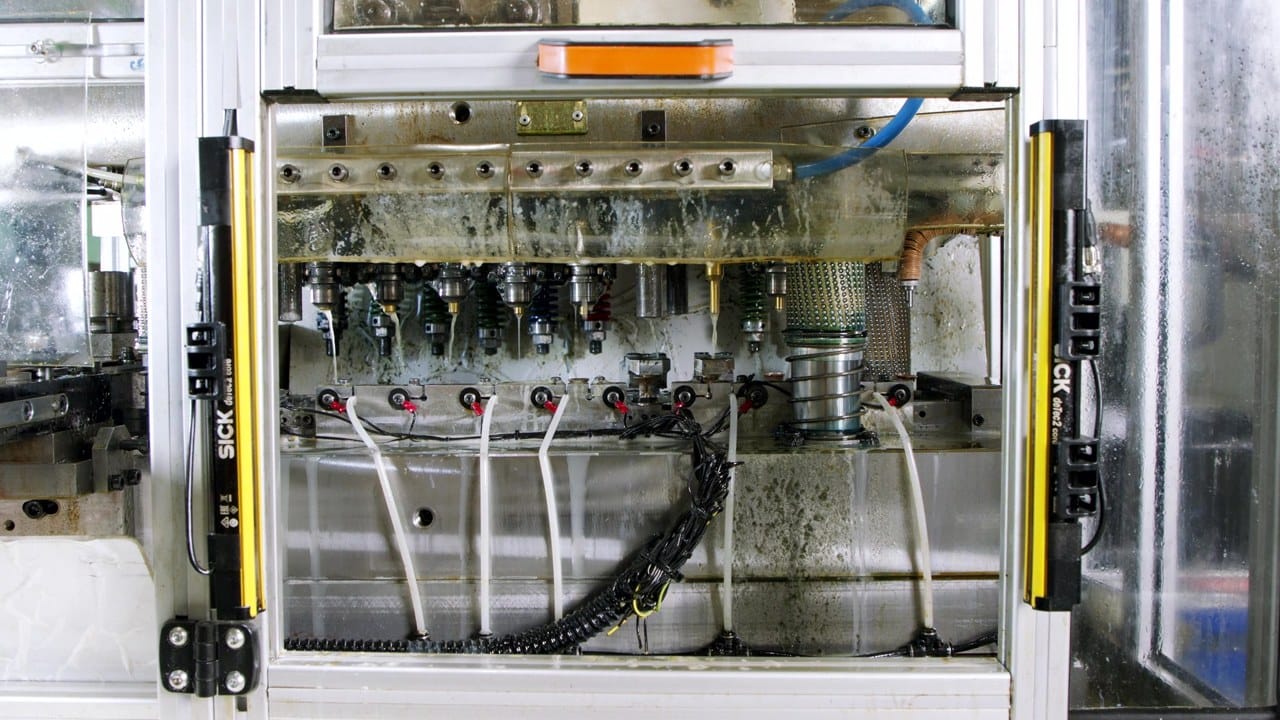
- Silicone (LSR) - liquid silicone needs a completely different, more precise tool: a cold deck, tight shut-offs and vacuum. That's why a silicone tool for a "simple" part can cost far more than its plastic version. Compression silicone (HCR) is cheaper but more manual.
- Metal (die casting / MIM) - a different process again, with its own tooling rules and price band.
How to avoid overpaying for a mold
- Decide the type first. Are you testing (soft tooling) or scaling (production steel)? Everything else flows from that one call.
- Know your real volume. Steel grade and cavity count both come from your forecast. Guess high and you overpay; guess low and the tool dies early.
- Get the same spec quoted by more than one shop. A 5-9x spread on identical tooling is normal - the spread is where the middleman markup hides.
- Ask what steel and how many cavities are in the quote. "Mold: $4,000" means nothing without those two numbers.
- Prototype before you cut production steel. A 3D print or soft tool catches design flaws while fixing them is still cheap.
- Confirm who owns the mold and where it's stored - you paid for it, you should be able to move it.